Fire Alarm System Selection Guide for Different Types of US Commercial Buildings
If you’ve ever handled US commercial construction or renovation work, you know a simple truth: fire alarm systems never work with a one-size-fits-all approach. A setup that suits a small retail store will fail to meet the strict safety standards of a large warehouse. Similarly, office buildings have completely different fire protection needs compared to industrial facilities. Picking the wrong system can lead to failed fire inspections, costly project delays, and unnecessary budget waste that no contractor wants to deal with.
In this practical guide, we’ll walk you through how to select the perfect fire alarm system for various US commercial buildings, following official NFPA 72 guidelines and standard local inspection rules. We’ll cover tailored system configurations for different building types, break down the real differences between wired and wireless setups, and share actionable budget tips for new construction projects. Shenzhen Sumring Technology Co., Ltd., founded in 2014, is a professional fire safety equipment manufacturer with over 15 years of focused industry experience. We specialize in developing NFPA-compliant, inspection-ready fire alarm kits customized for US offices, retail spaces, warehouses, and industrial buildings, helping overseas clients pass local fire inspections effortlessly.
What Basic NFPA 72 Rules You Need to Know for US Fire Alarms
Before diving into building-specific system choices, let’s cover the core NFPA 72 rules every US commercial project must follow. NFPA 72 serves as the primary national standard for fire alarm and signaling systems across the United States. Nearly all local fire departments adopt these guidelines as the official basis for building safety inspections.
Three key rules stand out for every project. First, building occupancy classification shapes your entire system design. Warehouses, office spaces, retail stores, and manufacturing plants all carry distinct fire risk levels. Higher-risk spaces demand more detection points, faster alarm activation, and full-coverage monitoring. Second, alarm signals must be clearly audible and visible in every corner of the building, with no blind spots in work zones, public areas, or storage zones. Third, regular inspection and maintenance are non-negotiable. Installing a fire alarm system is only the first step; consistent testing keeps devices functional and compliant year after year.
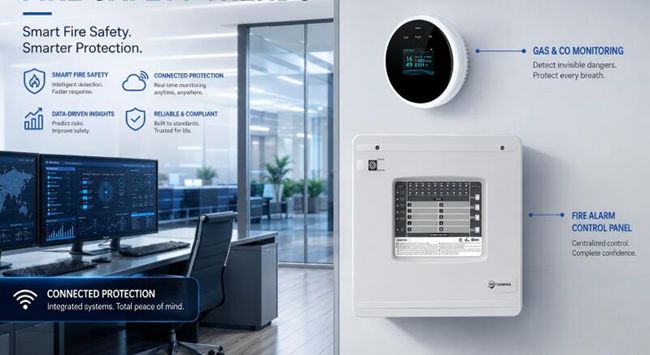
Have you ever wondered why even brand-new construction projects fail fire inspections? The issue rarely comes from broken hardware. It almost always stems from poorly matched system designs. Many contractors install generic fire alarm kits without accounting for NFPA 72 occupancy rules, resulting in incomplete coverage and non-compliant device layouts that fail official checks.
Sumring’s in-house engineering team has deep familiarity with NFPA 72 commercial building requirements. All our smoke detectors, heat sensors, and fire alarm control panels are engineered to meet standard US inspection criteria. We help clients avoid common design mistakes that cause inspection rejections and costly project delays, delivering fully compliant fire safety solutions for US commercial projects.
Best Fire Alarm Configurations for Common US Commercial Buildings
Every commercial building type features unique layouts, occupancy volumes, and fire hazard levels. Matching your fire alarm system to the building’s specific needs ensures full code compliance and helps you avoid overspending on unnecessary equipment. Below are the most practical, inspection-friendly configurations for the most common US commercial buildings.
Warehouse Buildings Warehouses typically feature high ceilings, wide open floor plans, and stacked inventory that creates uneven fire risk. These spaces require high-sensitivity detection and comprehensive area coverage. Addressable fire alarm control panels paired with dedicated smoke and heat detectors deliver the most reliable performance. Addressable systems let inspectors pinpoint the exact zone and individual device triggering an alarm, a critical feature for managing safety in large, sprawling storage facilities.
Office Buildings Standard office spaces have far lower fire risks than warehouses or industrial factories. Both conventional and compact addressable fire alarm systems work perfectly for these environments. Office fire safety focuses on early hazard detection and clear emergency evacuation alerts. Compact, easy-to-install fire alarm kits provide more than enough protection to meet daily safety and inspection requirements.
Retail Shops & Small Commercial Spaces Retail store owners prioritize simple installation, clean aesthetic design, and stable long-term performance. Pre-assembled UL-listed fire alarm kits offer the best cost-performance for these small-scale commercial spaces. These all-in-one packages include control panels, detectors, and alarm sounders, fully matching local inspection standards for small commercial properties.
It’s normal to feel unsure about system selection for your unique project. If you need clarity, the Sumring team is always ready to help. We offer free, project-specific system recommendations based on your building size, interior layout, and local fire code regulations.
Wired vs Wireless Fire Alarms: Which Fits US Projects Better?
The choice between wired and wireless fire alarm systems is one of the most frequent questions from US construction contractors. Each option has distinct advantages and minor drawbacks. Your ideal choice depends entirely on your project type, existing building conditions, and overall budget plan.
Wired fire alarm systems remain the most trusted and widely approved option for new US commercial construction. They deliver ultra-stable signal transmission, zero latency, and extremely low failure rates. Fire department inspectors have decades of experience reviewing wired systems, so inspection processes tend to be fast and straightforward. The only downside is higher labor costs and longer installation timelines, especially for fully finished buildings.
Wireless fire alarm systems shine for renovation projects, older buildings, and sites where running physical wiring is difficult or costly. They cut down installation time, eliminate structural construction damage, and support flexible device placement. Even so, some local fire authorities require extra verification to confirm wireless system stability. Battery lifespan and potential signal interference are also small factors to plan for long-term operation.
To keep it simple: large new construction projects favor reliable wired systems, while renovation and temporary commercial projects work best with wireless solutions. Many of our US clients now adopt hybrid setups to balance maximum stability and flexible installation.
How to Budget Fire Alarm Systems for New Construction Projects
Budget planning is a critical part of every commercial fire safety project. Many buyers only calculate upfront equipment costs and overlook hidden expenses that quickly inflate the total project budget.
Three core cost categories require your full attention. First, core equipment expenses cover fire panels, detectors, emergency lights, sounders, and backup power units. Building size and risk level determine the number of devices needed, which directly impacts total pricing. Second, installation and wiring labor costs make up a large share of the budget, especially for complex building structures that demand extra working hours and skilled technicians. Third, inspection and document preparation cannot be skipped. Complete test reports and compliance files are mandatory for final project approval.
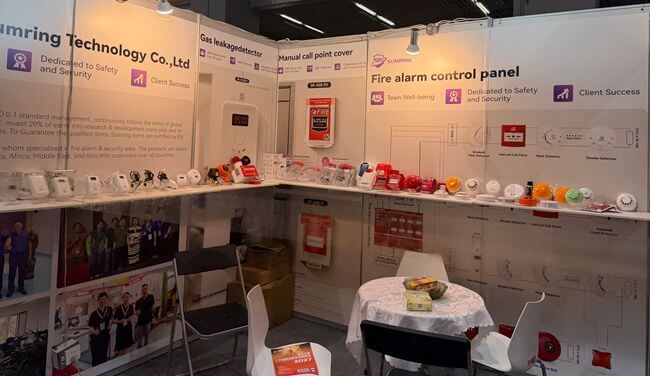
Standard pre-built factory fire alarm kits offer a smart way to balance full safety compliance and reasonable budgeting. Pre-tested complete sets prevent mismatched device combinations and drastically reduce on-site debugging work.
As an experienced fire alarm manufacturer serving the US market, Sumring provides fully assembled, ready-to-install fire alarm system packages for all commercial building types. Our pre-configured kits cut down on-site labor costs and shorten project timelines, letting clients stay within budget while maintaining 100% code compliance.
FAQ
Q1: Are wireless fire alarm systems accepted by US local fire departments?
Yes, most US jurisdictions accept qualified wireless fire alarm systems for commercial building use. That said, some local fire departments require extra stability testing and supporting documentation for approval. It’s always wise to verify local code requirements before finalizing your system design.
Q2: Does NFPA 72 require regular inspection for commercial fire alarm panels?
Absolutely. NFPA 72 requires routine inspection, testing, and maintenance for all commercial fire alarm systems. Regular upkeep ensures every device stays sensitive and fully functional during emergency scenarios.
Q3: Can you supply complete fire alarm kits ready for direct installation?
We certainly do. Sumring offers fully assembled, pre-tested fire alarm kits tailored for warehouses, offices, and retail spaces. Every package comes with complete devices and official supporting documents for fast installation and smooth inspection approval.
Q4: Can your fire alarm panels connect to remote monitoring services?
Yes. Our commercial-grade fire alarm control panels support remote monitoring linkage, meeting the modern safety management needs of US commercial buildings and facility operators.
Q5: What shipping options do you offer for US port deliveries?
We provide flexible sea freight and air freight options for all US-bound orders. Our team arranges stable shipping schedules and prepares full customs clearance documents to guarantee smooth delivery to major US ports.
Selecting a compliant, cost-effective fire alarm system for your US commercial building doesn’t have to be a challenging process. With 15+ years of industry experience, strict code-compliant product design, and project-oriented professional service, Shenzhen Sumring Technology Co., Ltd. delivers tailored, inspection-ready fire safety solutions for all kinds of US commercial properties. Whether you need professional system selection guidance, standard UL-certified fire alarm devices, or complete project compliance documents, our expert team is ready to assist you. Get in touch with Sumring today to customize a fire alarm solution that perfectly matches your building type, project budget, and local fire inspection standards.
Latest posts
-
 How to Choose a Reliable Fire Alarm Manufacturer from China for US Projects
Do you like ?0
Read more -
 What Is the Detection Range of This Mini CO Monitor?
Do you like ?0
Read more -
 Does Smoke & CO Alarm Reactivate Instantly When Hazards Spike In Hush Mode?
Do you like ?0
Read more -
 What Real Questions Do Overseas Buyers Bring Up When Sourcing Manual Call Points
Do you like ?0
Read more -
 Can This SR-A08 Fire Pull Station Work With Addressable Fire Alarm Panels, Or ?
Do you like ?0
Read more -
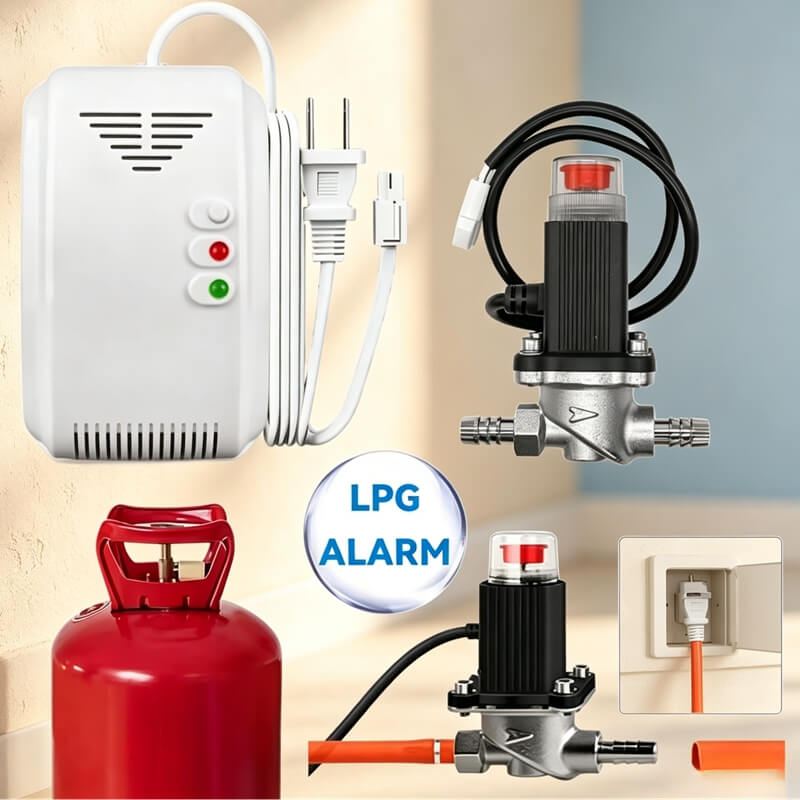 What Does a Solenoid Valve Do With a Gas Detector, Anyway?
Do you like ?0
Read more
Search
Hot Product