Queensland 2027 Smoke Alarm Mandate: What Fire Safety Buyers Must Know
The fire safety landscape in Australia is shifting, and Queensland is leading the charge. If you supply smoke alarms to installers or sell fire safety gear into the Australian market, you've probably caught wind of the big change. By 1 January 2027, every Queensland home must meet new smoke alarm standards. That's not a distant rumour anymore. It's a hard deadline, and it's changing what people need to buy, install and stock.
So what exactly changes? Let's get the essentials straight before we wander into the details.
First, the type of alarm. The new law only allows photoelectric smoke alarms for residential homes. Those older ionisation models, the ones that were everywhere a decade ago, no longer make the grade for new installations. Why the push? Photoelectric sensors catch smouldering fires better, the slow smoky blazes that often start in lounges, bedrooms or electrical faults. Ionisation units tend to react faster to fast flames but miss slow smoke until it's too late. For home safety, photoelectric is the smarter bet, and Queensland regulators agree.
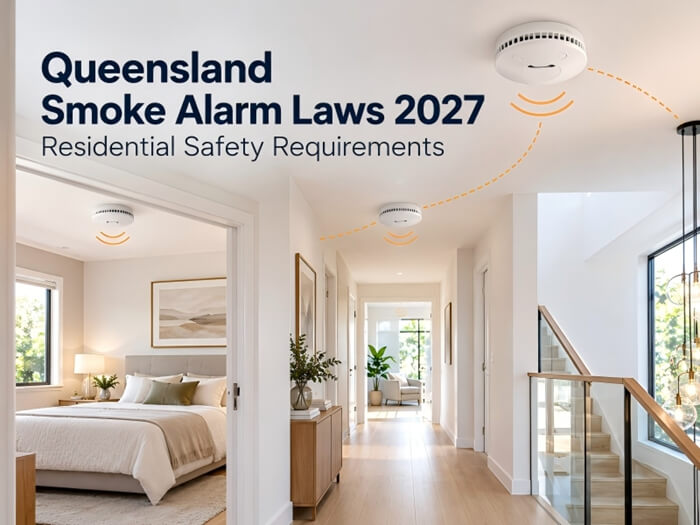
Second, the interconnection rule. This is the part that changes how homes get wired. Alarms must be interconnected. When one unit detects smoke, every alarm in the home sounds at once. You're not just installing single detectors anymore; you're building a linked network across the whole house. That's a big deal for retrofits, because running wires through an existing home is no small job.
This is where wireless interconnection becomes your friend. Wired linking means pulling cables between detectors, through ceilings and walls, often in finished rooms. That's slow, messy and expensive. Wireless interconnected alarms talk to each other over a radio signal, no new cables required. If a fire starts in the bedroom, the hallway and downstairs alarms all sound together. Homeowners get full-house warning without the contractor opening up the walls.
So where do these alarms actually go?
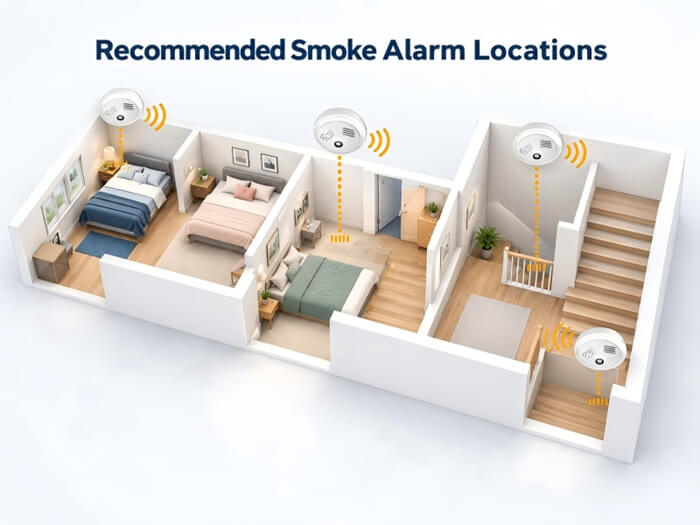
The rules are clear. You need smoke alarms in every bedroom, in hallways that connect bedrooms to the rest of the home, and on every level of the house. Think about it. A two-storey house isn't protected by one detector in the hallway. Each sleeping area needs coverage, and so does each floor. For installers, that means more units per home, which changes how you quote and what you stock.
Let's be honest about what this means for the market. Demand for compliant photoelectric smoke alarms is climbing, and it's going to keep climbing right up to that 2027 date. Homeowners are looking to upgrade. Property managers are planning replacements. Builders are updating their specifications for new builds. Anyone supplying this gear into Queensland is in a strong position, provided they're offering the right product.
Now, what makes a good photoelectric interconnected alarm worth stocking? Reliability comes first. A smoke alarm that fails when it matters is worse than no alarm at all. Look for units from a factory with a proper track record, one that tests every detector before it ships. Certifications matter too. Check that the product carries the right approvals for the Australian market, so your customers aren't left with hardware that fails inspection.
Installation simplicity is another thing your clients will thank you for. Alarms that mount quickly, with clear steps and solid mounting bases, cut down labour time on site. For wholesalers and installers, fewer hours per job means better margins and happier customers. Nobody wants a product that turns a simple install into a wrestling match with the ceiling.
Battery life deserves attention as well. Homeowners don't want to be swapping batteries every few months. Long-life batteries reduce maintenance and, more importantly, reduce the chances that someone disables an alarm because it's annoying. A detector that sits there silently, waiting, is the one that actually protects a family.
Temperature tolerance might sound like a minor detail, but it isn't. Homes have cold garages, hot kitchens and damp laundry rooms. A detector that only works in mild conditions becomes a liability in the real world. Look for units tested across a wide temperature and humidity range, so they hold up wherever they're installed.
Let me give you a quick checklist for your next order. Pick photoelectric models, confirm they support interconnection, choose wireless if you want easy retrofits, verify certifications, and check the battery and environmental specs. Get those right and you're offering something genuinely useful to your customers.
If you're sourcing these alarms for the Queensland market, you're not alone in feeling the pressure to move fast. But there's good news. A reliable factory partner makes the transition much smoother. That's where a manufacturer with real production experience earns its keep.
Sumring is a Shenzhen-based fire alarm factory with more than 15 years in the business, registered back in 2014. We hold the SUMRING trademark, run our plant under ISO9001 standards, and our fire safety products carry CE and RoHS approvals. We're not a trading company buying from whoever's cheapest this week. We build and test our detectors in our own facility, with a skilled team focused purely on fire and security alarms.
Our range includes photoelectric smoke detectors and interconnected alarm options suited to residential and commercial projects. We also make heat detectors, gas detectors, manual call points, alarm bells, strobe sirens and emergency lights. If you're consolidating suppliers, we can be a one-stop factory for a lot of your fire safety needs. Fewer vendors, simpler communication, smoother bulk shipments.
And yes, we support OEM and ODM orders. If you want your own brand on the detector casing or custom packaging for your market, we can arrange that for bulk purchases. Many of our long-term partners rebrand our detectors and sell them across Australia, Europe, Southeast Asia and the Middle East. Custom options let you build a product line that feels like your own, not just another white-label box.
Here's the thing about chasing the lowest price online. It rarely ends well in fire safety. A detector that drifts off calibration or fails in humid conditions comes back to bite you, and your reputation takes the hit when a customer reports a problem. Partnering with a factory that tests every unit before it leaves the door gives you peace of mind and protects your brand over the long run.
FAQ
- What is the Queensland smoke alarm law for 2027? From 1 January 2027, all Queensland homes must have photoelectric smoke alarms that are interconnected. Alarms are required in every bedroom, in hallways connecting bedrooms, and on every level of the home.
- Why are ionisation smoke alarms no longer allowed? Photoelectric alarms detect smouldering fires better, the slow smoky blazes common in homes. Ionisation models react faster to fast flames but can miss slow smoke, so regulators now require photoelectric for residential use.
- What does an interconnected smoke alarm mean? Interconnected alarms are linked together. When one detects smoke, all alarms in the home sound at once, giving occupants full-house warning instead of a single room alert.
- Can I retrofit a home with wireless interconnected smoke alarms? Yes. Wireless interconnected alarms communicate over a radio signal without new cables, making retrofits far simpler and less costly than running wires through finished rooms.
- Does Sumring supply photoelectric smoke alarms for the Australian market? Sumring is a Shenzhen factory with 15+ years making fire alarms, including photoelectric smoke detectors and interconnected options. We support OEM and ODM orders and can share certification documents for your projects.
The 2027 deadline is approaching faster than it feels. If you're evaluating photoelectric, interconnected smoke alarms for Queensland projects, or just want to compare options before you commit to a bulk order, Sumring's team is ready to help. We can send product datasheets, certification documents, sample units and OEM details so you can test the performance yourself. Reach out to our sales team, and let's find the right fire safety solution for your market before the clock runs out.
Latest posts
-
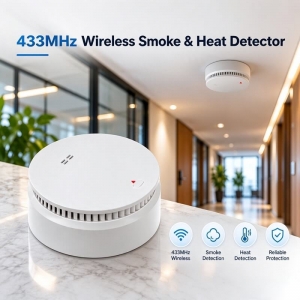
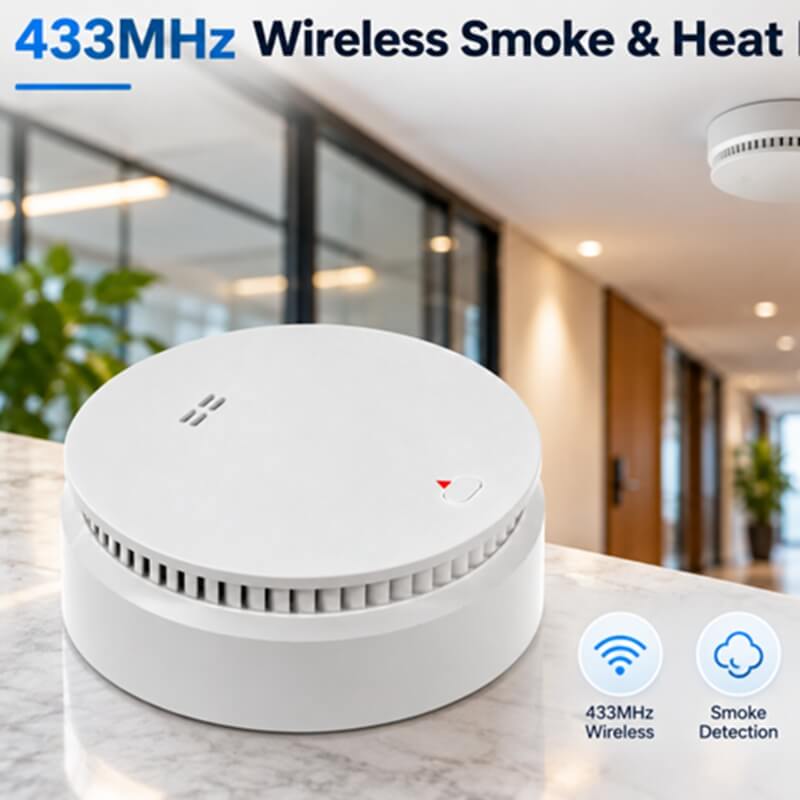 433MHz Wireless Smoke & Heat Detector: Why This Alarm Is a Smart Pick for Buyers
Do you like ?0
Read more -
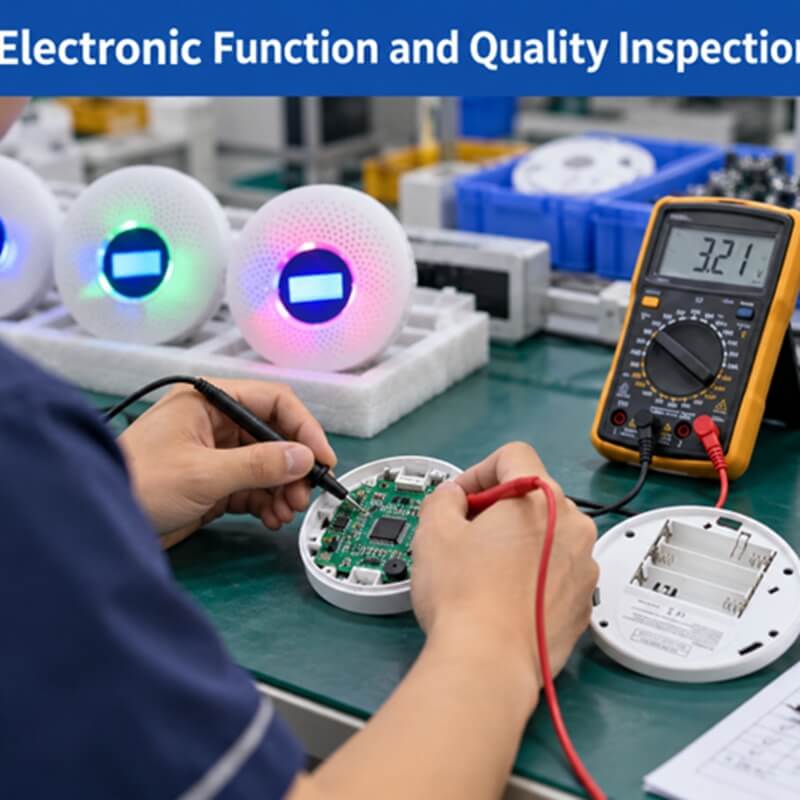 How Our Factory Testing Guarantees Reliable Fire Safety Alarms
Do you like ?0
Read more -
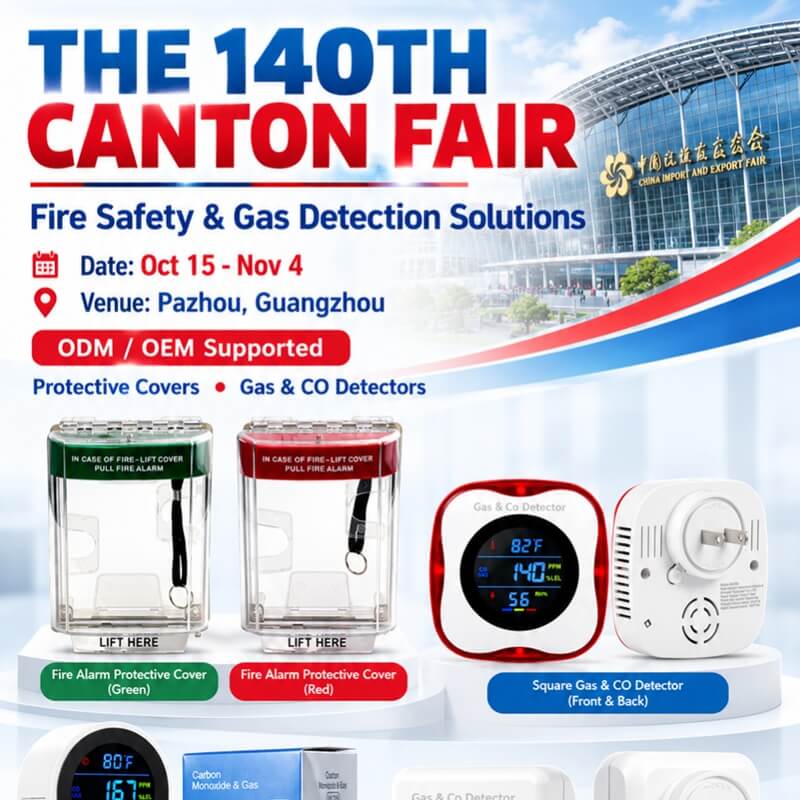 Sumring at Canton Fair: Fire Safety & Gas Alarm Solutions For Global Buyers
Do you like ?0
Read more -
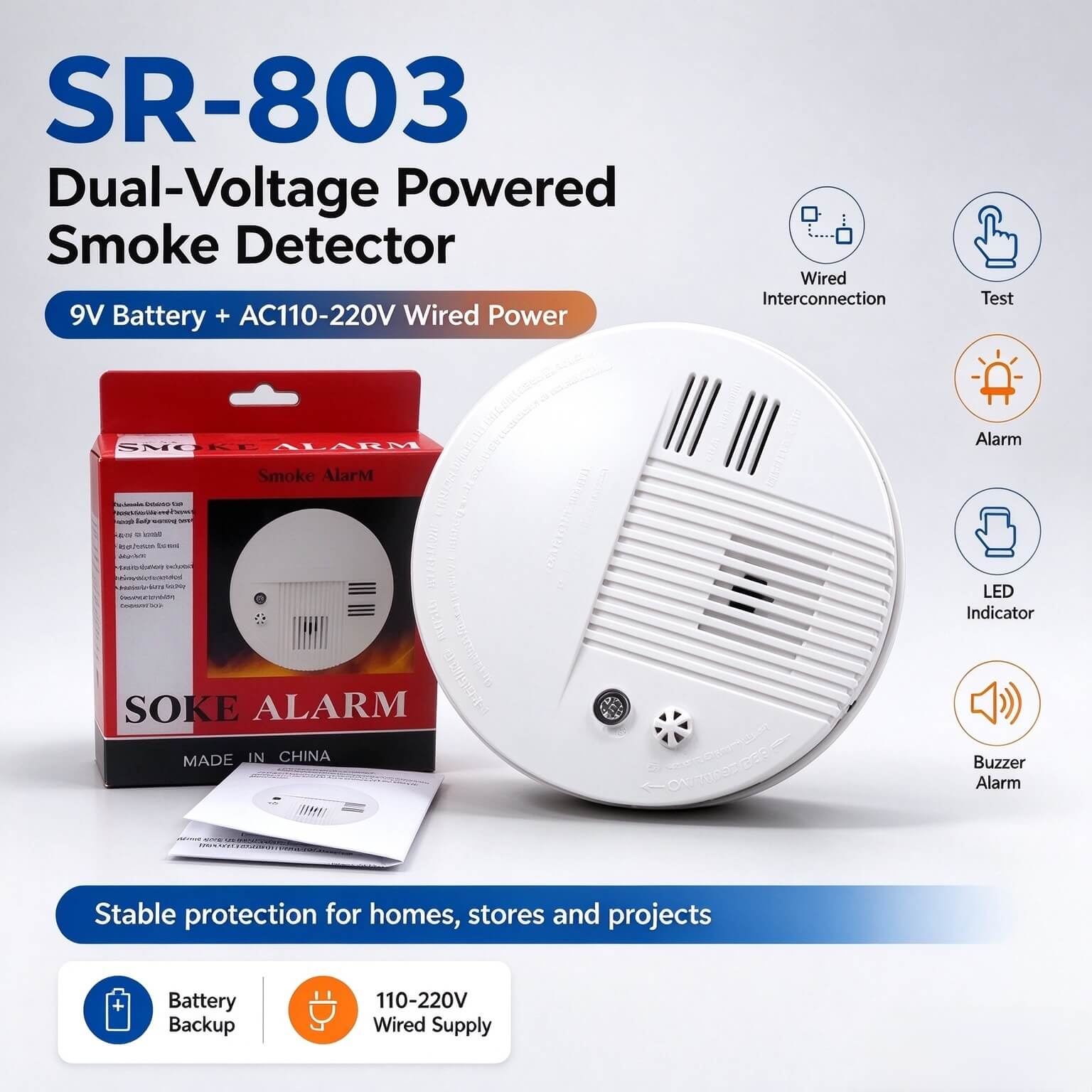 Double Sensor Smoke Detector: Benefits for Commercial & Residential Fire Safety
Do you like ?0
Read more -
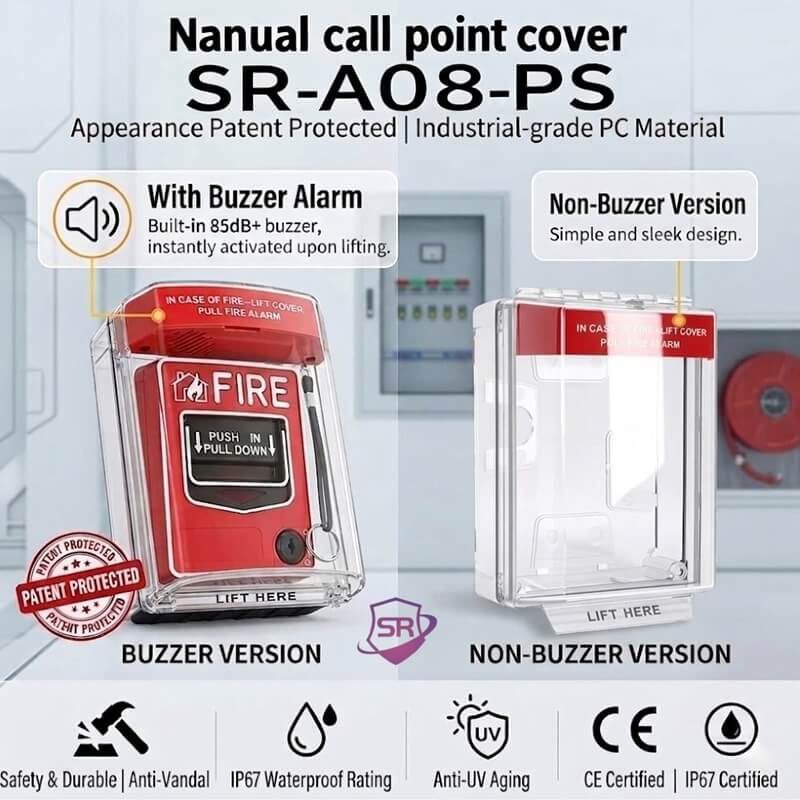 STI Cover vs SR-A08-PS Manual Call Point Cover: Cost & Feature Comparison
Do you like ?0
Read more -
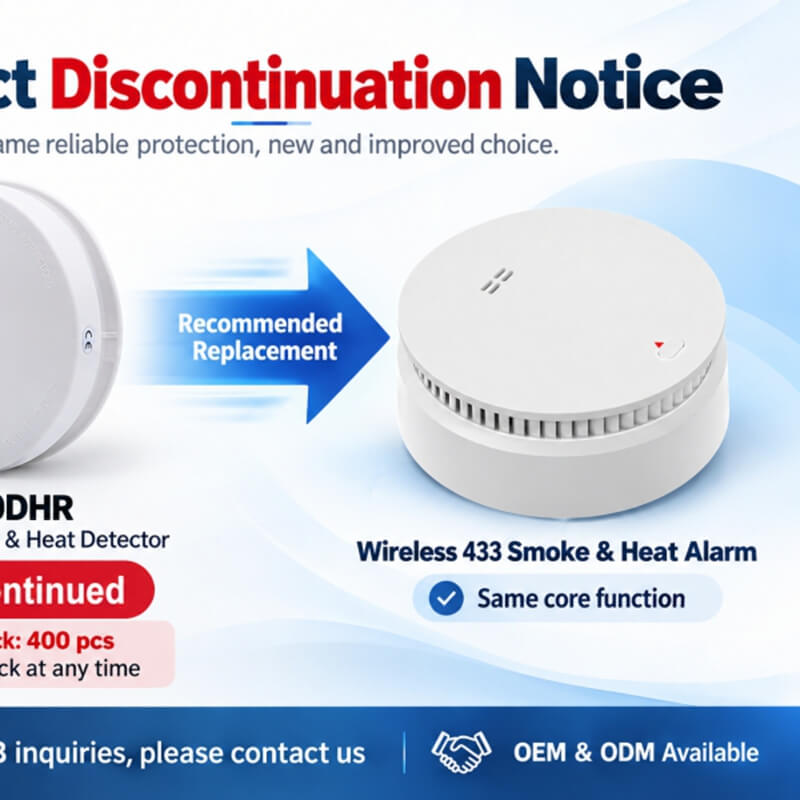 SR-820DHR Wireless 433 Smoke & Heat Detector Is Discontinued: Stock Alert & Dire
Do you like ?0
Read more
Search
Hot Product