What Are the Benefits of Low Battery Alerts for Standalone Detectors?
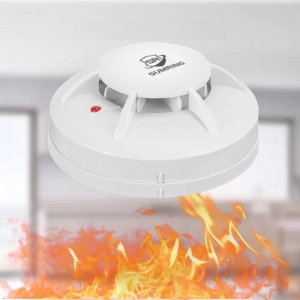
Standalone detectors are vital for home, office, and commercial safety—including smoke, carbon monoxide (CO), and heat detectors. Unlike wired models, standalone detectors rely on batteries, so their reliability hinges entirely on battery life. Low battery alerts for standalone detectors are critical here: a built-in feature that notifies users when power is running low, ensuring the device never fails unexpectedly. Below, we outline the key benefits of low battery alerts for standalone detectors, explaining why this simple feature is essential for any safety setup.
1. Ensures Continuous Protection with Standalone Detectors
The main role of a standalone detector is 24/7 hazard protection. Without a low battery alert, a standalone detector’s battery could die silently, leaving your space unprotected. Fire safety reports show nearly 45% of home fires involve non-functional standalone detectors—most often due to dead batteries. A low battery alert for standalone detectors prevents this by warning you weeks before depletion. Most standalone detectors emit a distinct chirp (every 30-60 seconds) and flashing LED, giving you ample time to replace the battery and keep your standalone detector active.
2. Prevents Costly and Dangerous Failures
A standalone detector with a dead battery is riskier than no detector—it creates false security. If a hazard hits while the standalone detector is offline, outcomes can be catastrophic: property damage, injury, or worse. Low battery alerts for standalone detectors eliminate this risk by keeping you updated on power status. For example, standalone smoke detectors with low battery alerts typically warn users 30+ days before battery failure, letting you act promptly and avoid costly consequences like fire damage or CO poisoning.
3. Saves Time and Reduces Maintenance Hassle
Without low battery alerts, maintaining standalone detectors requires frequent manual checks—easy to forget, especially since standalone detectors are often mounted on hard-to-reach ceilings. Low battery alerts for standalone detectors take the guesswork out of maintenance: the device tells you when to replace the battery, no ladder needed. Many modern standalone detectors even have smart low battery alerts, sending phone notifications via Wi-Fi/Bluetooth, so you stay informed even away from home.
4. Improves User Compliance and Safety Habits
Low battery alerts for standalone detectors serve as a clear reminder to prioritize safety. Their distinct chirp/flash is hard to ignore, prompting immediate action. This builds good habits, ensuring standalone detectors stay functional. For instance, people often forget to replace standalone detector batteries after power outages or moving—but a low battery alert catches their attention, boosting compliance with safety guidelines.
5. Works Seamlessly with Standalone Detector Design
Standalone detectors are designed for easy installation and use, with no complex wiring. Low battery alerts complement this simplicity: most use a standard, uniform alert (short beeps + flashing light) across brands, making it easy to recognize. Low battery alerts for standalone detectors are also energy-efficient, using minimal power so they don’t drain the remaining battery early. For standalone detectors with non-replaceable batteries, the alert signals it’s time to replace the device.
6. Reduces False Alarms and Unnecessary Stress
False alarms are a common frustration with standalone detectors, often caused by low (but not dead) batteries. Low battery alerts for standalone detectors reduce this by clarifying the issue—instead of panicking, you recognize the low battery chirp and fix it. This cuts stress and prevents “alarm fatigue,” ensuring users take real standalone detector alarms seriously.
Why Low Battery Alerts Are Non-Negotiable for Standalone Detectors
Standalone detectors are only as reliable as their batteries, and low battery alerts are key to keeping them functional. Whether it’s a standalone smoke, CO, or heat detector, low battery alerts ensure continuous protection, prevent failures, save maintenance time, and promote safety habits. When choosing a standalone detector, prioritize clear, audible low battery alerts—your safety depends on it.
In short, low battery alerts for standalone detectors are more than a convenience—they’re critical. They keep your standalone detector working when you need it, prevent costly failures, and simplify maintenance. Don’t overlook this essential feature for your standalone detectors.
Latest posts
-
 Use and maintenance of winter smoke detectors (II)
Do you like ?0
Read more -
The Use And Maintenance Of Winter Smoke Detectors (I)
Do you like ?0
Read more -
 Why do smoke detectors turn a blind eye when encountering smoking ?
Do you like ?0
Read more -
 The installation steps of smoke detector alarms
Do you like ?0
Read more -
 Where should smoke detector alarms be installed?
Do you like ?0
Read more -
 To Install Smoke Detector Alarms And Save Lives !
Do you like ?0
Read more
Search
Hot Product