Carbon Monoxide Detector vs Smoke Alarm: Key Differences for Home Safety
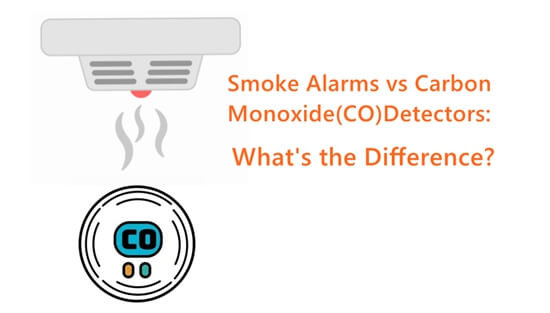
Understanding the distinction between a carbon monoxide detector and a smoke alarm is crucial for comprehensive home safety. While both devices alert you to potential dangers, they address fundamentally different threats. Here’s what every homeowner needs to know:
1. Detection Principles: How They Work
- Carbon Monoxide Detector:
Uses electrochemical sensors to measure CO gas concentration in the air. When CO levels exceed safe thresholds (typically 30-50 ppm), it triggers an audible alarm. Carbon monoxide is odorless and invisible, making this technology vital for early warning. - Smoke Alarm:
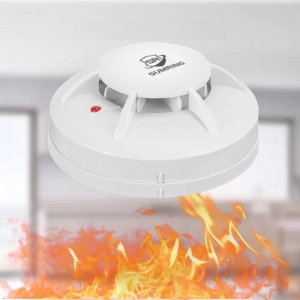
Relies on optical or ionization sensors to detect smoke particles. Optical alarms scatter light when smoke enters the chamber, while ionization types detect changes in electrical current caused by combustion particles.
2. Threats They Address
- Carbon Monoxide Detector:
Monitors for CO poisoning from incomplete combustion in gas appliances, furnaces, or vehicles. CO binds to hemoglobin, causing suffocation at cellular levels—symptoms include headaches, dizziness, and death. - Smoke Alarm:
Alerts to fire hazards from flames, electrical faults, or smoldering materials. Rapid smoke detection is critical for escape during fires.
3. Installation Locations
- Carbon Monoxide Detector:
Install near fuel-burning appliances (e.g., kitchens, garages, furnace rooms) and bedrooms. CO mixes evenly with air, so place at breathing height (5 ft/1.5m). - Smoke Alarm:
Mount on ceilings or high walls (smoke rises) in hallways, living rooms, and all sleeping areas.
4. Maintenance Requirements
- Carbon Monoxide Detector:
Test monthly. Replace sensors every 5–7 years (electrochemical cells degrade). Avoid humidity and chemical cleaners. - Smoke Alarm:
Vacuum sensors quarterly. Replace batteries annually and entire units every 10 years.
5. Why a Carbon Monoxide Detector is Non-Negotiable
Unlike smoke, CO has no warning signs. The CDC reports over 400 U.S. deaths annually from unintentional CO poisoning. Pairing a dedicated carbon monoxide detector with smoke alarms creates a complete safety net.
Latest posts
-
 What Would Set Off a Carbon Monoxide Detector ?
Do you like ?0
Read more -
 What can we do to prevent carbon monoxide poisoning in winter ?
Do you like ?0
Read more -
 How to prevent carbon monoxide poisoning in hot summer ?
Do you like ?0
Read more -
 How to prevent carbon monoxide poisoning in cars ?
Do you like ?0
Read more -
 High temperature weather cannot ignore carbon monoxide poisoning
Do you like ?0
Read more -
 How To Release The Carbon Monoxide Alarm That Keeps Ringing ?
Do you like ?0
Read more
Search
Hot Product