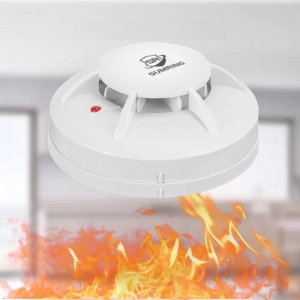
When you imagine a fire alarm, you likely think of a loud, piercing sound. But in many public spaces, that sound is accompanied by a brilliant, flashing light. This device is a fire strobe siren (or a combination horn/strobe), and it's a cornerstone of modern life safety systems. But what exactly is its purpose, and why is it so important?
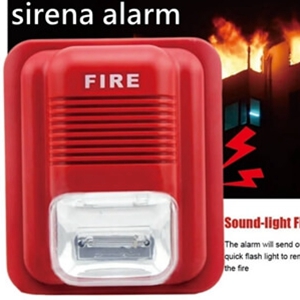
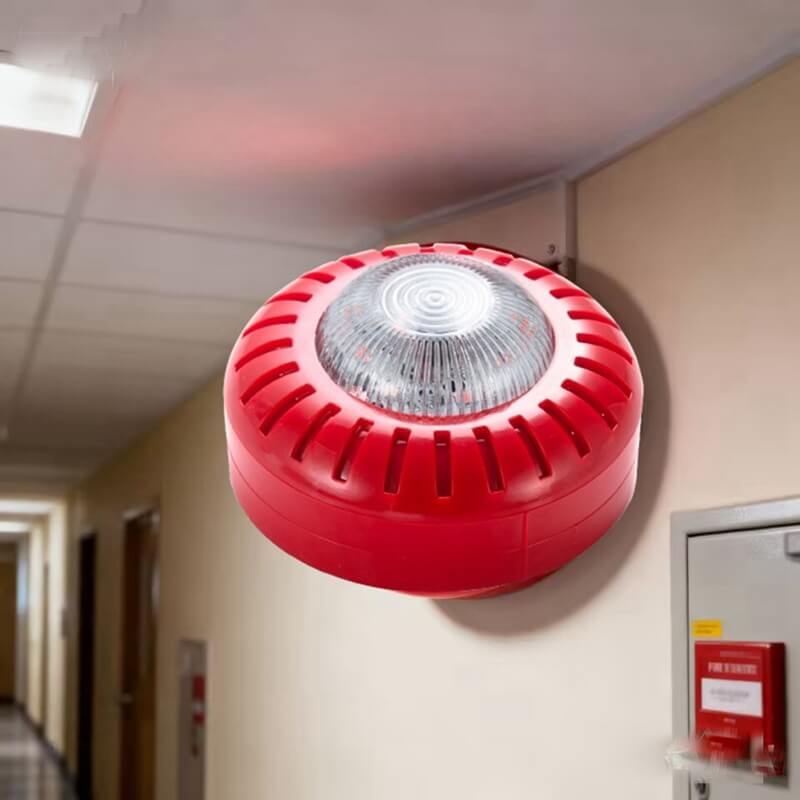
Simply put, a fire strobe siren is a dual-sensory alarm designed to alert occupants of an emergency—typically a fire—using both audible (siren) and visual (strobe) signals. This dual approach is not just a convenience; it's a critical feature for inclusive and effective emergency notification.
Let's break down its core functions and prove their importance with real-world examples.
The Two Critical Functions of a Fire Strobe Siren
1. The Audible Siren: The Universal Alert
The siren's primary job is to create a loud, distinct, and unavoidable sound. Its standardized tone cuts through ambient noise like conversations, background music, or office equipment, demanding immediate attention.
· Example 1: An Open-Plan Office. Imagine a fire starts in a server closet. The noise from dozens of computers, air conditioning units, and phone calls creates a significant din. A pure visual alarm could be missed by someone focused on their screen. The siren instantly cuts through this background noise, ensuring everyone hears the alert simultaneously and can begin evacuation.
· Example 2: A Hotel Corridor at Night. A fire alarm sounds in a long, carpeted hallway. The doors are heavy and designed to be soundproof. A guest sleeping with their door closed and a white noise machine might not hear a distant alarm. The siren from the device located directly in the hallway outside their door is loud enough to penetrate the door and wake them up.

2. The Visual Strobe: Ensuring Inclusive Alerting
The strobe light is the other half of this life-saving duo. It provides a high-intensity, flashing visual signal that is impossible to ignore. This function is essential for people who are deaf or hard of hearing, but it also benefits many others.
· Example 1: A Noisy Factory Floor. In a manufacturing plant with roaring machinery, the audible siren might be drowned out. Workers wearing hearing protection are particularly vulnerable. In this scenario, the strobe light becomes the primary alert. A flashing beacon across the factory floor provides a clear, visual signal that an emergency is underway, triggering the evacuation protocol.
· Example 2: A Crowded, Loud Bar or Nightclub. This is perhaps the most compelling example. With loud music and dense crowds, an audible alarm can be mistaken for part of the music or go unheard entirely. A brilliant, flashing strobe light, however, is a universal sign of an emergency in such a venue. It immediately signals staff and patrons that this is not a lighting effect but a critical alert to evacuate.
The Synergy: Why the Combination is Greater Than the Sum of Its Parts
The true power of a fire strobe siren lies in the synergy between its two components. It ensures that the emergency message is received by the widest possible audience, regardless of their physical abilities or the environmental conditions.
International building and safety codes, such as NFPA 72 (National Fire Protection Association) and the ADA (Americans with Disabilities Act), now mandate the installation of combination horn/strobes in public buildings for this exact reason. They are a non-negotiable part of creating a safe and accessible environment for all.
Conclusion
A fire strobe siren is far more than just a noisemaker. It is a sophisticated, dual-sensory life-saving device engineered to overcome real-world challenges. By providing both an audible siren and a visual strobe, it ensures that emergency alerts reach everyone—whether they are hearing-impaired, in a deafeningly loud environment, or simply a deep sleeper. When you see and hear one, you are witnessing a critical piece of safety technology designed to protect lives through redundancy and inclusivity.
Search
Hot Product