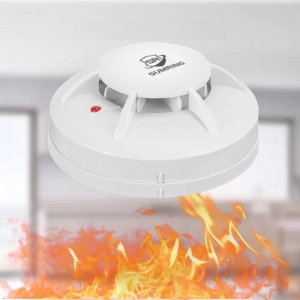
How a Fire Strobe Siren Alarm Integrates and Operates in Your Fire Alarm System
When a fire eruptates, every second counts. A reliable fire alarm system is the backbone of life safety in any building. But for the system to be truly effective, its alert signals must reach everyone, including those with hearing or visual impairments. This is where the fire strobe siren alarm becomes a critical component. This article explains exactly how this device functions within a complete fire alarm system to save lives and ensure compliance with accessibility codes.
The Core Purpose: Universal Notification
A fire strobe siren alarm is a combination device, often called an audiovisual appliance. It serves a dual, non-negotiable purpose:
1. Audible Alert (Siren/Alarm): Emits a loud, distinct, and standardized sound pattern (e.g., Temporal Code 3) to audibly notify occupants of an emergency.
2. Visual Alert (Strobe): Produces high-intensity, synchronized flashes of white light to provide a clear visual warning.
This combination ensures compliance with laws like the Americans with Disabilities Act (ADA) and NFPA (National Fire Protection Association) codes, which mandate both audible and visual signals in public and commercial spaces.
Step-by-Step: How It Works with the Fire Alarm System
Here’s a breakdown of the integration process from activation to evacuation:

1. Detection and Activation:
The process begins when an initiating device—like a smoke detector,heat sensor, or manual pull station—is triggered. This device sends an electrical signal to the Fire Alarm Control Panel (FACP), the system's "brain."
2. Signal Processing by the Control Panel:
The FACP receives the signal,identifies it as a genuine fire alarm (not a fault or test), and activates the prescribed alarm sequence. It sends a powerful, coded electrical signal through dedicated notification appliance circuits (NACs) to all connected fire strobe siren alarms.
3. Simultaneous Audiovisual Activation:
Upon receiving the signal from the FACP,the fire strobe siren alarm springs into action:
· The Siren Sounds: Its internal horn or speaker immediately emits the mandated loud alarm tone (typically 85 dB or higher, depending on area coverage requirements). This cuts through ambient noise, alerting people in the vicinity.
· The Strobe Flashes: Simultaneously, the high-intensity LED or xenon strobe light begins to pulse at a specific, code-prescribed rate (usually 1 flash per second). Modern systems use synchronized strobes, meaning all units flash in unison to prevent disorientation or seizure risks.
4. Creating a Cascading Alert Path:
Multiplefire strobe siren alarms are strategically placed throughout hallways, common areas, and rooms. As they all activate in sync, they create a seamless path of unmistakable sound and light. This guides occupants, even in dark or smoky conditions, toward exits and away from danger.
5. System Monitoring and Reset:
Throughout the alarm,the FACP continuously monitors the circuits powering these devices. Once the threat is cleared and the system is reset at the main panel, a distinct signal (often a different tone or silence) is sent, and the fire strobe siren alarms will deactivate.
Key Features for Effective Integration
· Synchronization: Critical for strobes to prevent confusion.
· Candela Rating: The strobe's brightness is carefully selected (15, 75, 110 candela, etc.) based on room size and layout to meet NFPA visibility standards.
· Temporal Code 3 Sound: The standardized audio pattern for fire evacuation.
· Circuit Compatibility: Devices must be compatible with the FACP's voltage and signaling protocol (e.g., conventional or addressable systems).
Conclusion: More Than Just a Bell and a Light
A fire strobe siren alarm is not a standalone product but an integrated, life-saving output device of a larger intelligent system. Its proper integration ensures that when a fire alarm triggers, the warning is universal—reaching everyone effectively and immediately. For building safety managers and owners, understanding this integration underscores the importance of regular testing and maintenance of every component, from the smoke detector to the final strobe and siren, ensuring the entire chain of communication functions flawlessly in an emergency.
Latest posts
-
 Fire Alarm Strobe Siren: A Lifesaving Device That Saved a Little Girl’s Home
Do you like ?0
Read more -
 How a fire strobe siren alarm Device Saved My Family ?
Do you like ?0
Read more -
 Fire Strobe Siren: Dual-Alert Guardian in Standard Fire Alarm Panels
Do you like ?0
Read more -
 Fire Strobe Siren: What Is It and Why Is It Critical for Safety?
Do you like ?0
Read more -
 Beyond the Siren: How Sound and Light Fire Alarms Create a Safer Environment
Do you like ?0
Read more -
 what is the purpose of strobe alarm in a fire sirena alarm system?
Do you like ?0
Read more
Search
Hot Product