How Do Fire Smoke Alarms Work? A Complete Guide to Types, Pros & Usage Tips
Fire hazards are a major threat to homes and commercial buildings, and a reliable fire smoke alarm acts as the most essential safety device to guard lives and property. Statistics show that residences with fully functional fire smoke alarms reduce the risk of fire-related fatalities by 55%. While most people have fire smoke alarms installed, many do not fully understand how these devices detect smoke and send out timely warnings.
A fire smoke alarm works by sensing tiny airborne particles produced by combustion. Currently, two core detection technologies dominate the market: ionization detection and photoelectric detection. Each has its own operating logic and strengths, and learning their differences helps you pick the right fire smoke alarm for different spaces.
Ionization fire smoke alarms use safely sealed radioactive materials to function. The material ionizes air molecules between two metal plates, creating a steady electric current. When smoke particles enter the detection chamber, they attract free ions and disrupt the stable current. Once the current drops below the preset level, the fire smoke alarm will sound immediately to warn people of danger. Rest assured that the internal radioactive material is well shielded. Its radiation level is far lower than natural background radiation, so it brings no harm to human bodies.
The other popular type is the photoelectric fire smoke alarm, which relies on optical reflection. Inside the sensing chamber is a light beam and a sensor. In normal conditions, the light travels straight without touching the sensor. When smoke fills the chamber, large smoke particles reflect the light onto the sensor. When the reflected light reaches the set threshold, the fire smoke alarm activates the alarm signal.
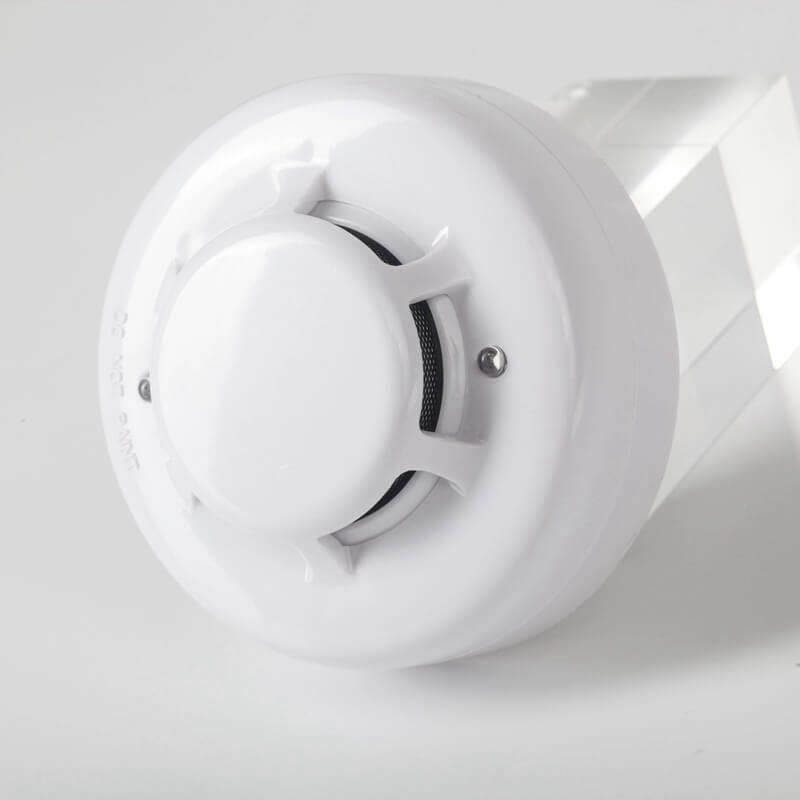
Both kinds of fire smoke alarms can detect smoldering fires and flaming fires, yet they perform differently in actual scenarios. Ionization models respond faster to flaming fires, which produce massive fine soot particles to cut off the internal current quickly. Photoelectric fire smoke alarms are more sensitive to larger, light-colored smoke particles from slow-burning smoldering fires, spotting hidden risks at an early stage.
Fire safety experts suggest installing both types of fire smoke alarms for comprehensive protection. Nowadays, dual-sensor fire smoke alarms combining the two technologies are also widely used. If you are searching for high-quality fire smoke alarms for residential and commercial use, you can explore products from Sumring. Visit the official website https://www.firealarmfactory.com/ to browse a full selection of reliable fire safety devices.
Even high-performance fire smoke alarms face a common issue: false alarms. Units placed near kitchens or toasters often trigger alarms when cooking or toasting. Food particles and fine dust can be mistaken for fire smoke, causing unnecessary trouble. This creates a design trade-off: overly sensitive fire smoke alarms lead to frequent false alerts, while less sensitive ones may fail to warn people in real fire emergencies.
To fix this problem, researchers keep upgrading fire smoke alarm technology and optimizing detection standards. The new generation of fire smoke alarms can effectively tell apart harmless daily particles and dangerous fire smoke. They greatly cut down false alarms while keeping high sensitivity to real fire threats.
In fire accidents, every second is vital. A properly chosen and maintained fire smoke alarm can win precious time for escape. Understanding how fire smoke alarms work allows users to select, use and maintain the devices correctly. Equipping buildings with qualified fire smoke alarms is always the simplest and most effective way to build a solid fire safety line for everyone.
Latest posts
-
 Fire Smoke Alarm: Guide to Installation & Maintenance for Home Fire Safety
Do you like ?0
Read more -
 Are Independent Smoke Detector Common Abroad? A Global Guide to Home Fire Safety
Do you like ?0
Read more -
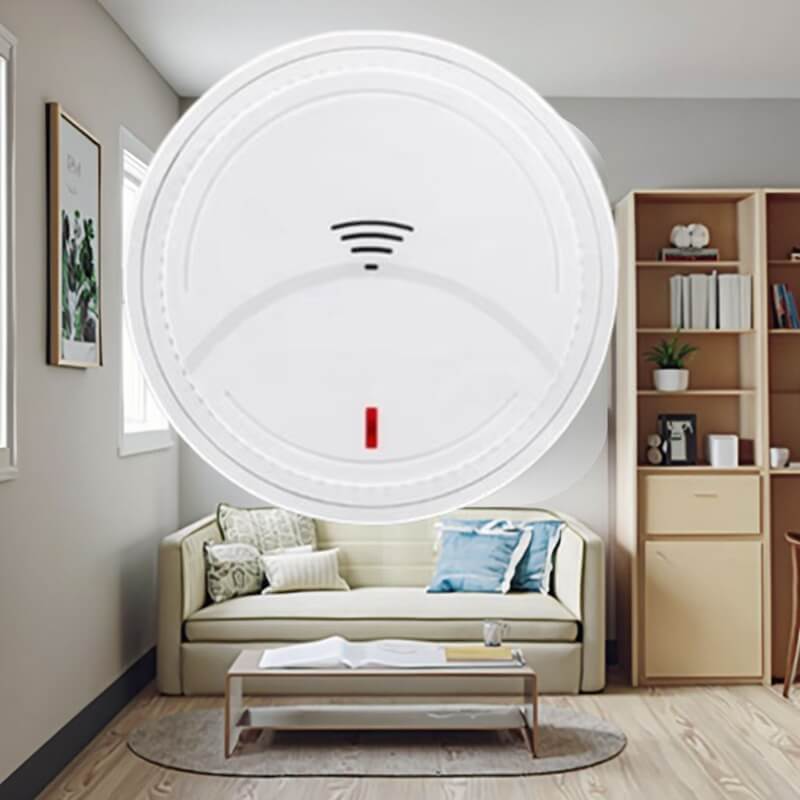 Application and Importance of Standalone Smoke Detectors in Rural Families
Do you like ?0
Read more -
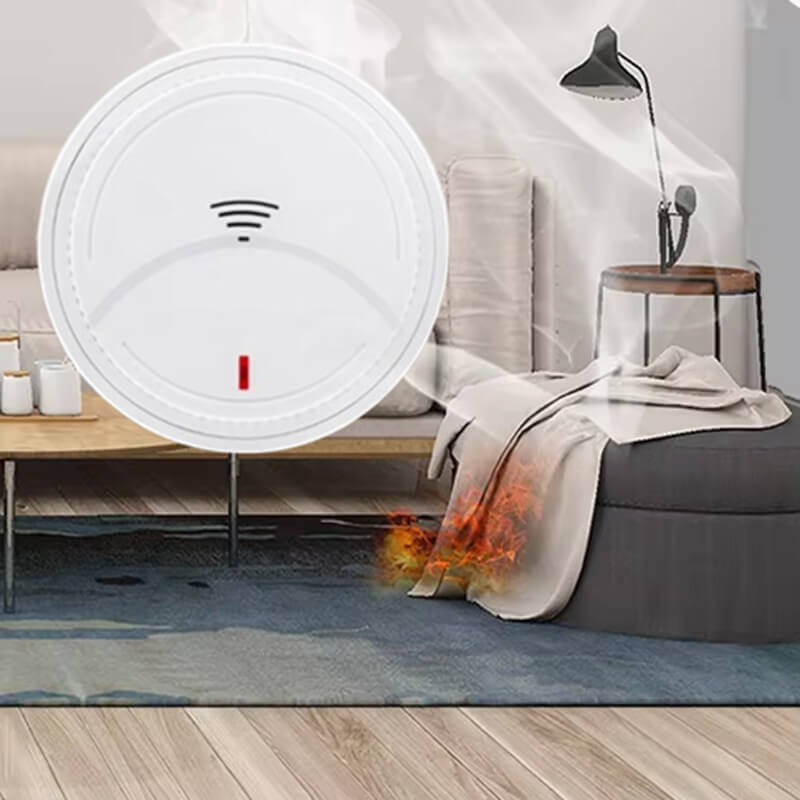 Can Standalone Smoke Detectors Repel Mosquitoes? (2026 Guide)
Do you like ?0
Read more -
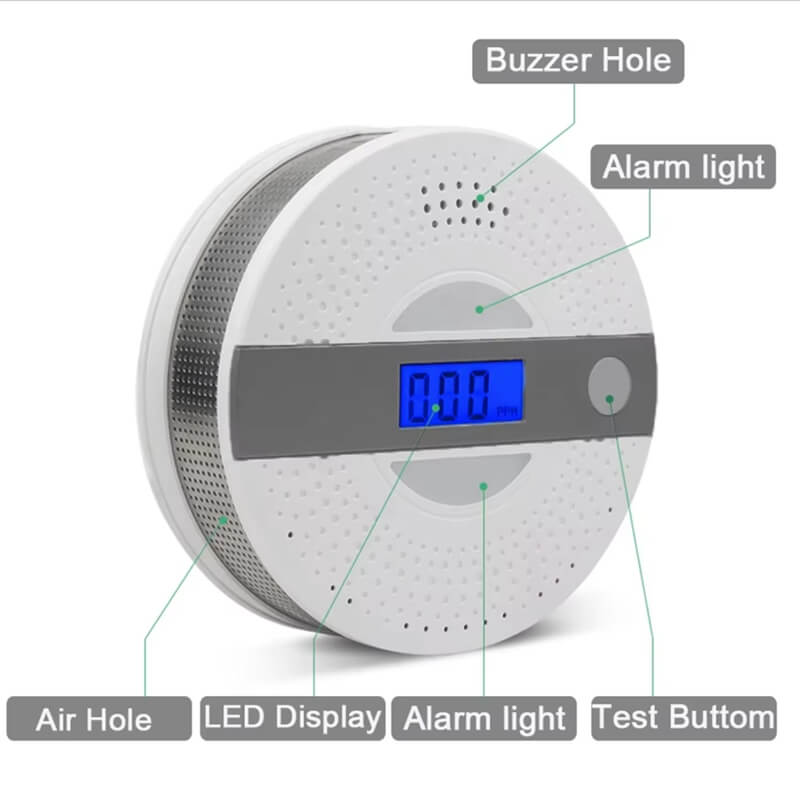 Why a Combination Smoke and Carbon Monoxide Alarm Is Essential (With Real Exampl
Do you like ?0
Read more -
 When will the smoke alarm sound ?
Do you like ?0
Read more
Search
Hot Product