Fire Smoke Alarm: Guide to Installation & Maintenance for Home Fire Safety
Fire Smoke Alarm: Complete Guide to Installation & Maintenance for Home Fire Safety
Correct setup and regular upkeep of your fire smoke alarm directly boost household fire safety, helping families gain precious escape time once unexpected fire breaks out. As modern home furnishings feature lots of synthetic materials, residential fires spread far faster than decades ago when natural wood and fabrics dominated interior decor. Therefore, installing properly positioned and sufficient fire smoke alarm units becomes a non-negotiable safety requirement matching current fire prevention standards. Based on NFPA 72 fire code standards, minimum installation criteria cover every bedroom interior, outer side of all sleeping zones and each residential floor including basements; oversized houses need extra fire smoke alarm sets to meet full coverage demands. Many older houses constructed under outdated construction codes fail to satisfy these baseline rules, making proactive upgrade of smoke detection systems essential for property owners.
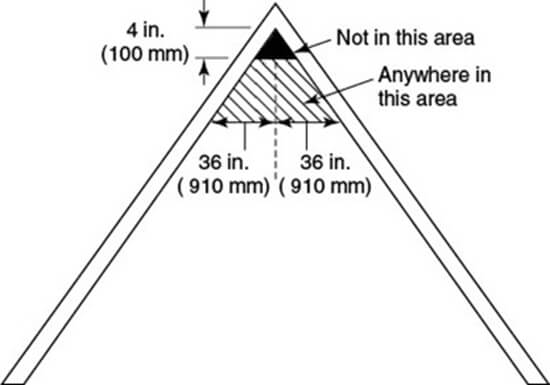
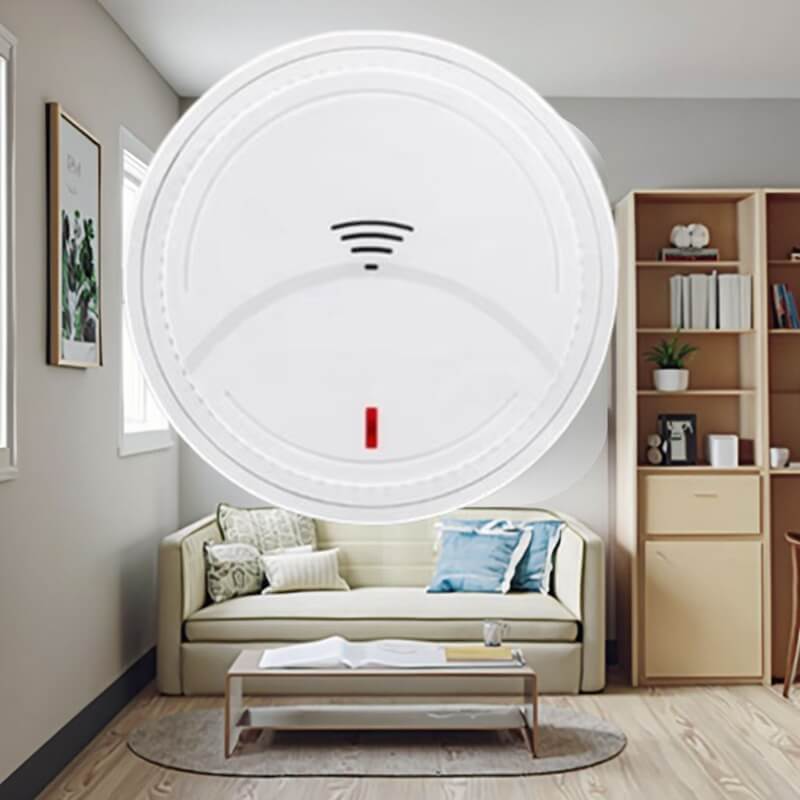
When picking a qualified fire smoke alarm, always select products certified by authoritative third-party testing labs. For space without any bedrooms, mount fire smoke alarm on living room walls or beside upper-floor staircases, or equip both positions for double protection. Basement fire smoke alarm must fix on ceiling right at the bottom of upward stairs. To cut false alarms triggered by cooking fumes, keep every fire smoke alarm no less than 3 meters away from kitchen cooking appliances. Since smoke rises upward, install devices high on ceilings or upper wall sections; wall-mounted fire smoke alarm tops should stay within 12 inches from ceiling surfaces. For sloped/angled ceilings, fix the detector within 3 feet of roof peaks but leave a 4-inch gap down from the apex point to avoid detection failure.
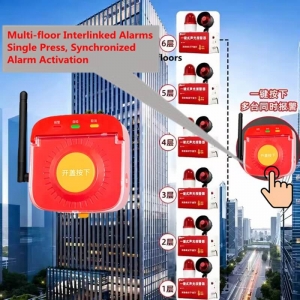
Several installation taboos must be strictly followed: never fix fire smoke alarm beside doors, windows or ventilation ducts, as cross airflow disrupts regular sensor operation. Refuse to paint detectors or paste stickers on casings—such coverings block smoke access and disable fire smoke alarm functions entirely. To maximize protection performance, connect all home fire smoke alarm into an interconnected system: one triggered unit activates all linked alarms simultaneously via wired hard connection or modern wireless pairing technology. Important note: interconnected fire smoke alarm products need to come from one single manufacturer to avoid compatibility malfunction and failed synchronous alert SUMRING.
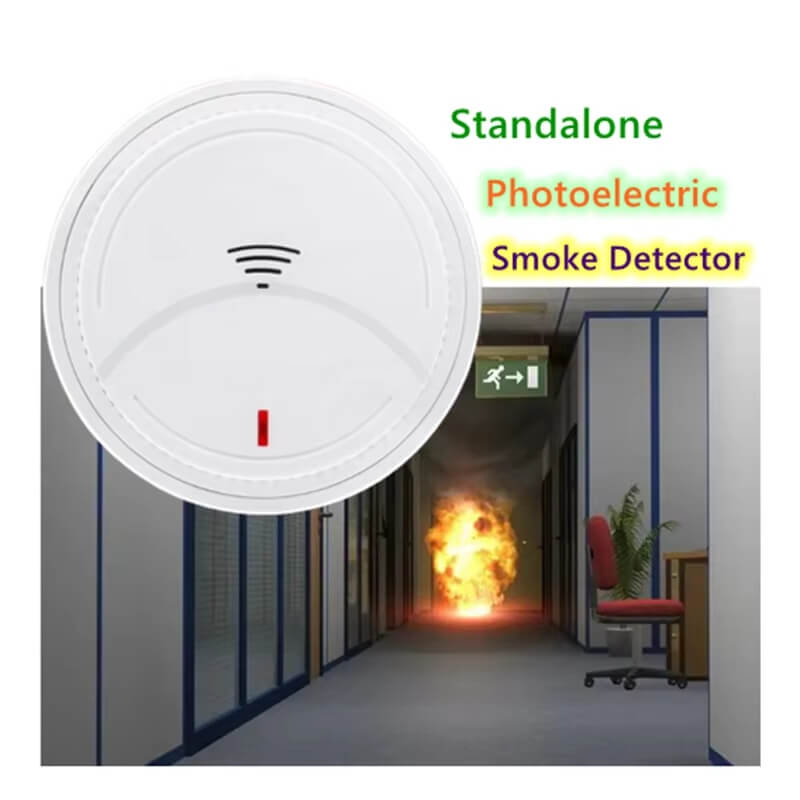
Two mainstream fire smoke alarm types exist in the market: ionization and photoelectric variants. Ionization fire smoke alarm reacts quicker to open flaming fires, while photoelectric versions excel at spotting slow smoldering fires with dense smoke. Industry experts recommend dual-sensor combination fire smoke alarm to cover both fire scenarios comprehensively, a flagship product line available from Sumring at https://www.firealarmfactory.com/, whose dual-sensor fire smoke alarm complies with international safety certifications and NFPA installation norms. Keep all manufacturer instruction manuals well stored for future maintenance reference.
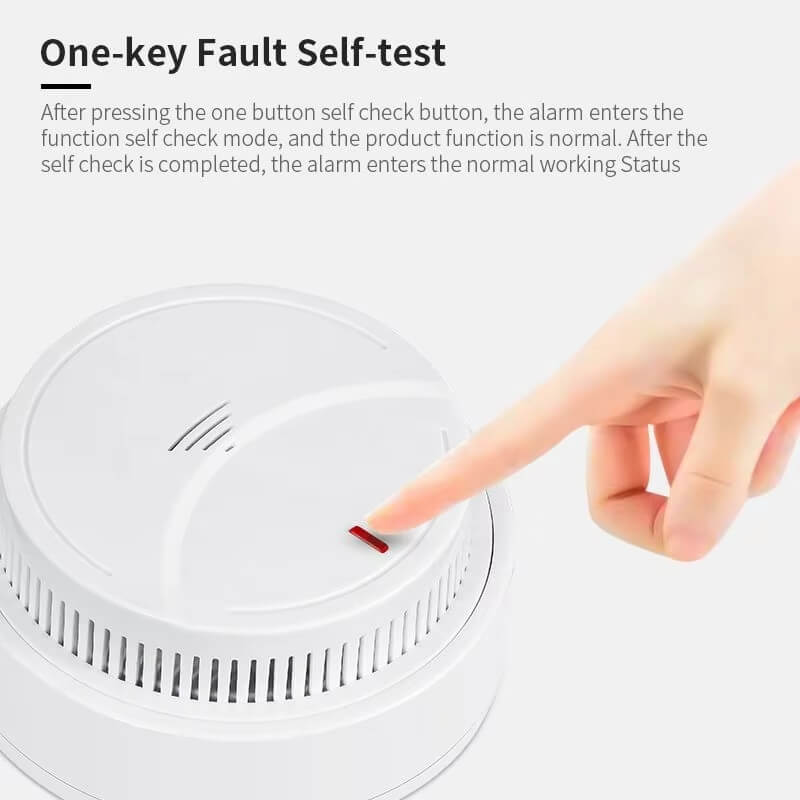
Routine maintenance determines long-term reliability of any fire smoke alarm. Users need to trigger the built-in test button for a full function check at least once every month and ensure all family members recognize alarm beep sounds and master emergency evacuation steps. Follow official cleaning guidance regularly to wipe dust off sensor components, with downloadable instructions accessible via brand official websites. Two mainstream battery configurations apply: 10-year sealed non-replaceable lithium battery fire smoke alarm needs full unit replacement once low-battery chirp alerts pop up; regular replaceable-battery fire smoke alarm requires annual battery swap, and only manufacturer-specified battery models can be used to prevent abnormal failure.
Official statistics from US CPSC reveal obvious safety gaps between full-installed interconnected fire smoke alarm and incomplete layout. Homes with fire smoke alarm covering every floor achieve 37% alarm triggering rate and 15% resident alert rate during fires, versus merely 4% trigger and 2% alert rate for partial installation houses. Properties equipped with Sumring interconnected fire smoke alarm see 53% successful alarm activation and 26% timely occupant warning in actual fire cases, proving linked fire smoke alarm remains one of the most cost-effective home fire prevention investments.
Latest posts
-
 Why You Need a Smoke and Carbon Monoxide Combo Detector in Your Home ?
Do you like ?0
Read more -
 Can an Independent Smoke Detector Work in Extreme Heat? A Safety Guide
Do you like ?0
Read more -
 What Happens If an Independent Smoke Detector Gets Wet? Safety Guide
Do you like ?0
Read more -
 Is It Necessary to Install an Independent Smoke Detector in the Living Room?
Do you like ?0
Read more -
 Are Independent Smoke Detector Common Abroad? A Global Guide to Home Fire Safety
Do you like ?0
Read more -
 Application and Importance of Standalone Smoke Detectors in Rural Families
Do you like ?0
Read more
Search
Hot Product