Is It Necessary to Install an Independent Smoke Detector in the Living Room?
When it comes to home fire safety, many people focus heavily on bedrooms or kitchens. However, one critical area often gets overlooked: the living room. If you are wondering whether it is necessary to install an independent smoke detector in this space, the short answer is a resounding yes.
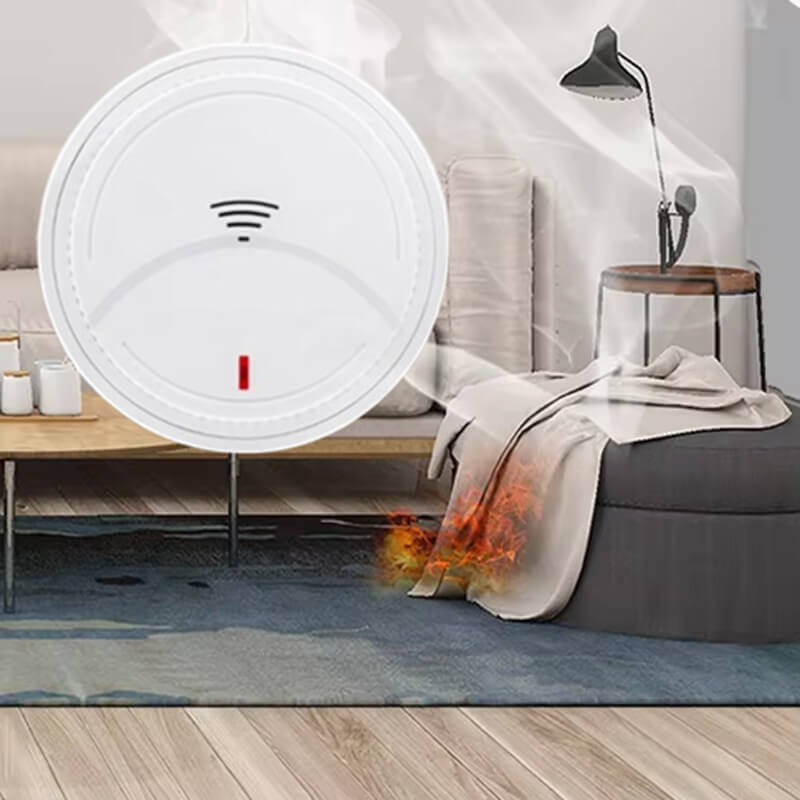
The living room is frequently the heart of the home—and unfortunately, a common starting point for household fires.
Why the Living Room is a High-Risk Zone
Unlike bedrooms (where people sleep) or kitchens (where cooking happens), the living room poses a unique set of fire risks that make an independent smoke detector essential:
- Electrical Overload: Living rooms typically house the most electronics—televisions, gaming consoles, sound systems, and multiple power strips. Overloaded sockets or faulty wiring are leading causes of residential fires.
- Heating Sources: Space heaters, electric fireplaces, or even decorative candles are often used in living areas, increasing the risk of accidental ignition.
- Smoking Materials: For households where smoking occurs indoors, careless disposal of cigarettes on sofas or carpets is a major hazard.
- Rapid Fire Spread: Living rooms often contain flammable furniture, curtains, and rugs. Once a fire starts here, it can generate thick, toxic smoke very quickly, blocking escape routes like the front door.
The Critical Role of Installation Density
You mentioned "density" in your search, and this is a key concept in fire safety. Installation density refers to having enough detectors placed strategically so that no area of your home is left unprotected.
Relying on a single detector in the hallway is not enough. Smoke behaves unpredictably; it can be blocked by closed doors or get trapped in corners. To ensure maximum safety, you need to increase the density of your protection:
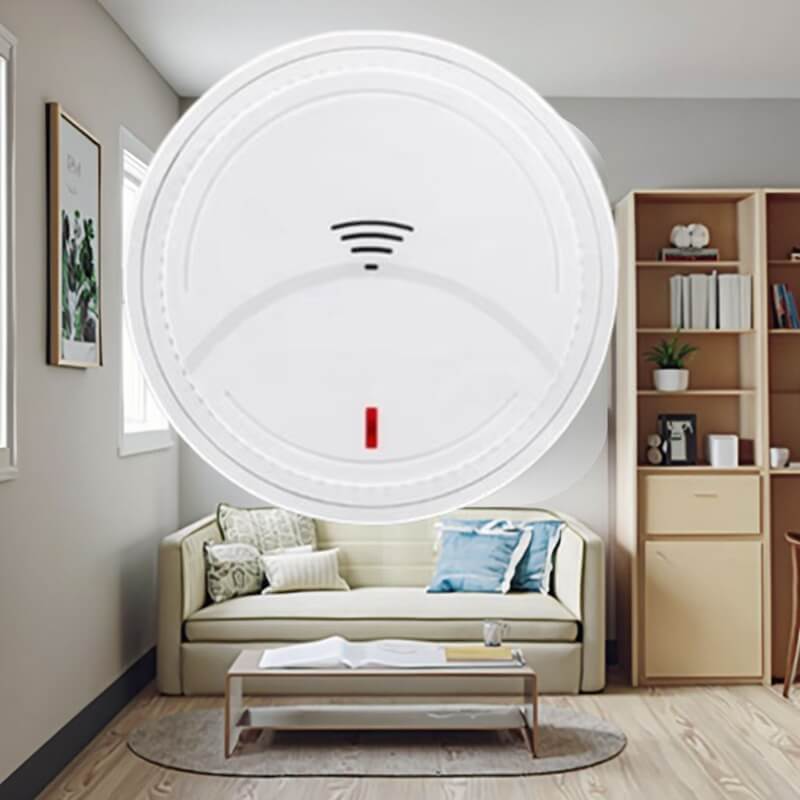
- Early Warning: An independent smoke detector in the living room provides the earliest possible warning. Experiments show that a detector in the main living area can sense smoke minutes before it reaches sleeping quarters, giving your family precious extra time to escape.
- Layered Protection: By placing detectors in every major zone (bedrooms, hallways, and the living room), you create a safety net. If a fire starts in the living room while you are awake, the alarm alerts you instantly. If it starts while you are asleep in the bedroom, the living room detector adds a crucial layer of redundancy.
Best Practices for Living Room Installation
To get the most out of your independent smoke detector, proper placement is just as important as the device itself. Here is a quick guide to optimizing your setup:
- Ceiling Mounting: Always install the detector on the ceiling. Since smoke rises, this is the most effective position.
- Center of the Room: Try to place it in the center of the living room, or at least away from corners where air circulation is poor.
- Avoid Interference: Keep the detector at least 50cm away from walls, light fixtures, or air conditioning vents. Avoid placing it directly above a humidifier or near a drafty window, as these can cause false alarms or reduce sensitivity.
- Interconnectivity: If possible, choose smart independent smoke detectors that can interconnect. This means if the living room detector goes off, the alarms in the bedrooms will sound too, ensuring everyone hears the warning regardless of where they are.
Conclusion
Installing an independent smoke detector in your living room is not just an option—it is a necessity. By increasing your home's detection density and covering high-risk areas like the living room, you significantly improve your chances of surviving a fire.
Don't wait for an emergency to realize the value of this small, affordable device. Protect your home and your loved ones today by ensuring every room, especially the living room, is equipped with a working smoke alarm.
Latest posts
-
 Are Independent Smoke Detector Common Abroad? A Global Guide to Home Fire Safety
Do you like ?0
Read more -
Application and Importance of Standalone Smoke Detectors in Rural Families
Do you like ?0
Read more -
 Can Standalone Smoke Detectors Repel Mosquitoes? (2026 Guide)
Do you like ?0
Read more -
 Why a Combination Smoke and Carbon Monoxide Alarm Is Essential (With Real Exampl
Do you like ?0
Read more -
 The Night a Combined Carbon Monoxide & Smoke Detector Alarm Saved Sarah’s Family
Do you like ?0
Read more -
 Smoke Detector or Carbon Monoxide Detector: Which is Better for Fire Safety?
Do you like ?0
Read more
Search
Hot Product