What Happens If an Independent Smoke Detector Gets Wet? Safety Guide
Water and electronics never mix well, and this rule applies strictly to your life-saving devices. If you are wondering whether an independent smoke detector still works after getting wet from rain, a leaky roof, or heavy steam, the answer requires immediate caution.
While a tiny bit of humidity might not destroy it instantly, significant water exposure can severely compromise its ability to protect your home.
How Water Damages Your Smoke Detector
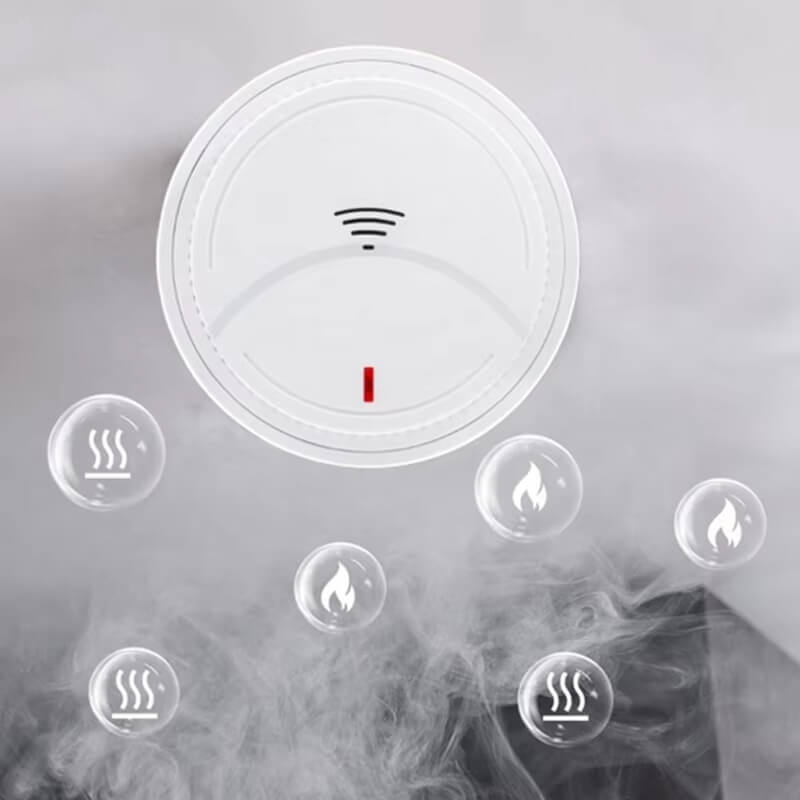
An independent smoke detector relies on highly sensitive electronic circuits and sensors (usually photoelectric) to detect smoke particles. When water intrudes into the device, several dangerous things can happen:
- Short Circuits: Water is conductive. If it seeps into the circuit board, it can create unexpected electrical pathways, causing a short circuit. This can permanently fry the internal chips and render the device completely useless.
- False Alarms: Moisture droplets inside the sensing chamber can scatter light just like smoke particles. This tricks the sensor into thinking there is a fire, leading to annoying and unnecessary false alarms.
- Corrosion and Failure: Even if the detector seems to work right after getting wet, lingering moisture causes metal components to rust and corrode over time. This gradually reduces the detector's sensitivity, meaning it might fail to alert you during a real fire emergency.
Immediate Steps to Take If Your Detector Gets Wet
If you discover that your independent smoke detector has been淋了雨 (caught in the rain) or soaked by a leak, follow these safety steps immediately:
- Cut the Power: If it is a hardwired unit, turn off the circuit breaker. For battery-operated models, remove the batteries right away to stop any electrical current.
- Dry Gently: Wipe the exterior with a soft, dry cloth. You can let it air-dry in a warm, ventilated area for at least 48 hours. Never use a hairdryer or direct heat source, as high temperatures can melt internal components.
- Inspect and Test: After it is thoroughly dry, check for signs of corrosion (like green or white powder on the contacts). Put in fresh batteries and press the "Test" button.
Crucial Advice: If the detector was heavily soaked, shows signs of rust, or continues to beep randomly after drying, replace it immediately. A compromised smoke detector gives you a false sense of security, which is far more dangerous than having no detector at all.
Why Installation Density and Placement Matter
This situation highlights why proper installation density and strategic placement are vital for home fire safety. "Density" isn't just about how many detectors you have; it's about placing them in the right locations to avoid environmental hazards while maximizing coverage.
To prevent water damage and ensure optimal performance:
- Avoid High-Moisture Areas: Never install smoke detectors in bathrooms, directly above kitchen stoves, or in unventilated laundry rooms where steam accumulates.
- Watch the Roof and Windows: Ensure detectors aren't placed directly under skylights, drafty windows, or areas prone to roof leaks.
- Increase Safe Density: Instead of relying on one detector near a risky area, increase your safety net by installing additional units in dry, central hallways and bedrooms. This ensures that even if one unit is temporarily affected by environmental factors, others will still trigger an alarm.
Conclusion
An independent smoke detector that has been significantly wetted cannot be fully trusted. While minor steam might be harmless, rain or flooding usually means the internal electronics are damaged. To keep your family safe, prioritize proper placement to avoid moisture, maintain good installation density throughout your home, and always replace any detector that has suffered serious water exposure.
Latest posts
-
 Is It Necessary to Install an Independent Smoke Detector in the Living Room?
Do you like ?0
Read more -
 Are Independent Smoke Detector Common Abroad? A Global Guide to Home Fire Safety
Do you like ?0
Read more -
 Application and Importance of Standalone Smoke Detectors in Rural Families
Do you like ?0
Read more -
 Can Standalone Smoke Detectors Repel Mosquitoes? (2026 Guide)
Do you like ?0
Read more -
 The Night a Combined Carbon Monoxide & Smoke Detector Alarm Saved Sarah’s Family
Do you like ?0
Read more -
 Why a Combination Smoke and Carbon Monoxide Alarm Is Essential (With Real Exampl
Do you like ?0
Read more
Search
Hot Product