Can an Independent Smoke Detector Work in Extreme Heat? A Safety Guide
Summer heatwaves or placing a device near a heat source can raise serious concerns for homeowners. If you are wondering whether an independent smoke detector can still function properly under extremely high temperatures, the answer is not a simple yes or no. While they are built to be durable, excessive heat can severely impact their reliability and lifespan.
The Safe Operating Temperature Range
Most standard residential independent smoke detectors are designed to operate within a specific temperature range, typically between -10°C and 55°C (14°F to 131°F).
When the ambient temperature stays within this "comfort zone," the detector's sensors and electronics work perfectly to catch early signs of fire. However, once the environment exceeds these limits—such as in an unventilated attic, a closed garage during summer, or right next to a heater—the device begins to struggle.
How Extreme Heat Damages Your Smoke Detector
Prolonged exposure to extreme heat can cause several critical issues for your life-saving device:
- Component Damage & Aging: Intense heat can warp the plastic housing, damage the internal circuit board, and degrade the sensitive photoelectric or ionization sensors. This accelerates the aging process, significantly shortening the detector's overall lifespan.
- Battery Drain: High temperatures put immense stress on batteries. In extreme heat, batteries can lose their charge much faster than normal, leaving your detector powerless when you need it most.
- False Alarms: Sometimes, the heat itself can trick the sensor. The detector might misinterpret rapid temperature spikes or hot air particles as smoke, triggering frustrating and unnecessary false alarms.
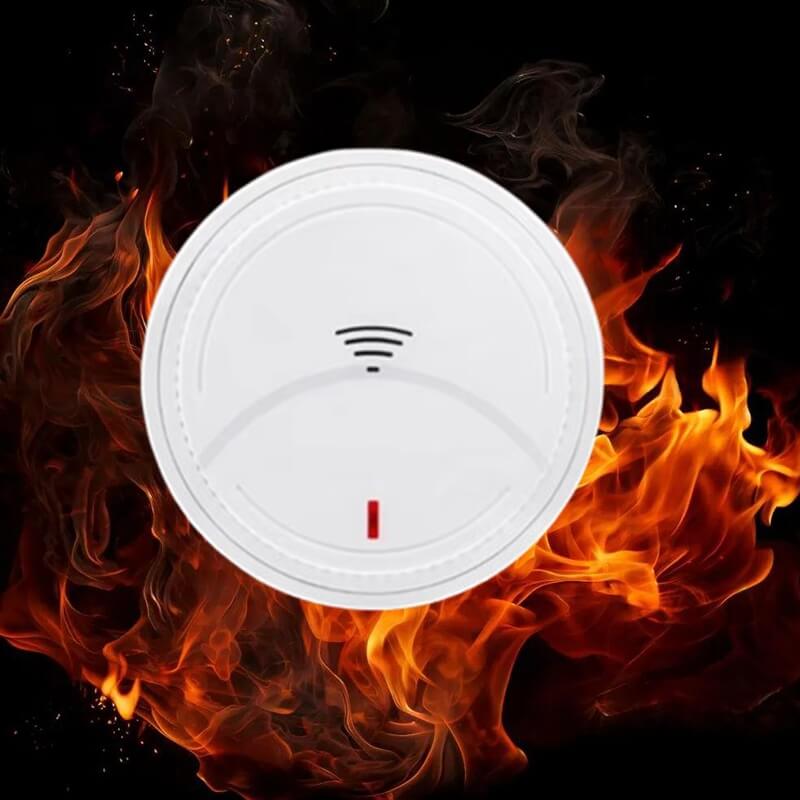
If your detector has been subjected to prolonged extreme heat, it may become unreliable. It might fail to alarm during a real fire or constantly chirp to indicate an internal fault.
Optimizing Installation Density and Placement
To ensure your independent smoke detector remains effective, smart placement and proper installation density are key. You want enough detectors to cover every corner of your home, but they must be placed in environmentally safe zones.
Follow these tips to protect your devices from heat while maximizing safety:
- Avoid Hot Zones: Never install smoke detectors directly above ovens, stoves, heating vents, fireplaces, or in areas that receive direct, blazing sunlight through a window.
- Be Careful with Attics and Garages: Unfinished attics and garages often experience wild temperature swings. If you must place a detector there, look for specialized "heat-resistant" models designed for extreme environments. Alternatively, use a heat detector in these specific areas, which is built to withstand higher temperatures without giving false alarms.
- Ensure Good Ventilation: Install detectors in well-ventilated areas where heat doesn't easily build up.
- Strategic Density: Instead of forcing a standard detector into a hot spot, increase your safety net by adding more units in adjacent, cooler hallways and bedrooms. This ensures comprehensive coverage without compromising the hardware.
Conclusion
An independent smoke detector pushed beyond its temperature limits cannot be fully trusted. Extreme heat risks damaging its core components, draining its battery, and causing malfunctions. To keep your family safe, always check the manufacturer's temperature specifications, avoid installing them in scorching locations, and maintain a smart installation density throughout your living spaces. Regularly test your alarms, especially after a intense heatwave, and replace any unit that shows signs of heat-related failure.
Latest posts
-
 What Happens If an Independent Smoke Detector Gets Wet? Safety Guide
Do you like ?0
Read more -
Is It Necessary to Install an Independent Smoke Detector in the Living Room?
Do you like ?0
Read more -
 Are Independent Smoke Detector Common Abroad? A Global Guide to Home Fire Safety
Do you like ?0
Read more -
 Application and Importance of Standalone Smoke Detectors in Rural Families
Do you like ?0
Read more -
 Can Standalone Smoke Detectors Repel Mosquitoes? (2026 Guide)
Do you like ?0
Read more -
 Why a Combination Smoke and Carbon Monoxide Alarm Is Essential (With Real Exampl
Do you like ?0
Read more
Search
Hot Product