The Night a Carbon Monoxide Detector Saved the Carter Family’s Lives
It was a frigid December evening in rural Ohio, and the Carter family was settling in for a quiet night. John Carter, a 42-year-old construction worker, had just stoked the wood-burning stove to warm their cozy cabin. His wife, Lisa, was tucking their two children, 8-year-old Mia and 5-year-old Jake, into bed, while the wind howled outside. Little did they know, a silent, invisible threat was creeping through their walls.
That night, John had noticed the stove was smoking more than usual, but he brushed it off as a draft. He closed the flue, checked the logs, and returned to the living room to watch a movie with Lisa. By 10 p.m., the entire family was fast asleep, unaware that carbon monoxide (CO) was filling their home.
Carbon monoxide is a colorless, odorless gas produced by the incomplete combustion of fuels like wood, gas, and oil. It’s often called the "silent killer" because it can build up in a home without any warning signs. According to the CDC, over 400 Americans die from accidental CO poisoning each year, and thousands more are hospitalized.
???? The Carbon Monoxide Detector’s Warning
At 1:37 a.m., a high-pitched beep shattered the silence. The Carters’ carbon monoxide detector, which they had installed in the hallway outside the bedrooms just six months earlier, was blaring. John jolted awake, his heart racing. He stumbled out of bed and followed the sound, his eyes bleary with sleep.
When he reached the detector, the red light was flashing, and the beeping was getting louder. John remembered the instructions he’d read when he installed it: a loud, continuous beep meant a dangerous level of CO was present. Without hesitation, he woke Lisa and the kids, grabbed his phone and coat, and herded everyone outside into the freezing cold.
Once they were safe, John called 911. Firefighters arrived within minutes and used a CO detector to test the air inside the cabin. The levels were off the charts—over 800 parts per million (ppm), which can be fatal within minutes. The firefighters discovered that the flue had become blocked with debris, causing the CO to back up into the home.
???? Why a Carbon Monoxide Detector Is Non-Negotiable
The Carters’ story is a powerful reminder of why every home needs a carbon monoxide detector. Here are three key reasons this device is a life-saver:
-
Early Detection Saves Lives Carbon monoxide is undetectable by human senses, so a detector is the only way to know if it’s present. The Carters’ detector alerted them before the CO levels became lethal, giving them time to escape.
-
Protection for Every Room It’s recommended to install a carbon monoxide detector on every level of your home, including near bedrooms. The Carters’ detector was strategically placed outside their kids’ room, ensuring it woke them up quickly.
-
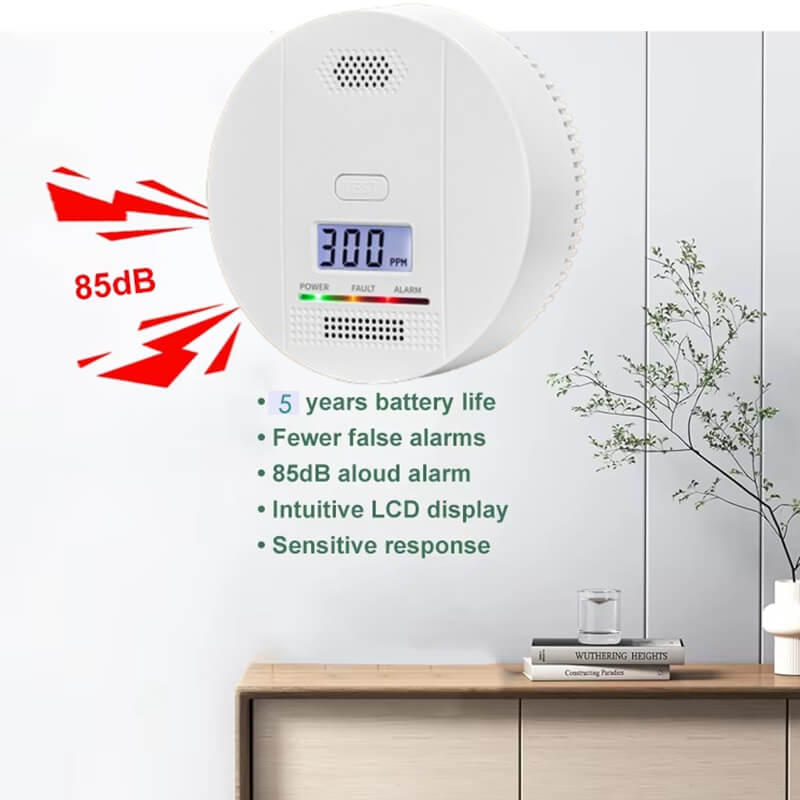
Affordable and Easy to Install Most carbon monoxide detectors cost less than $50 and can be installed in minutes. They run on batteries or plug into an outlet, and many models come with digital displays that show real-time CO levels.
???? The Aftermath: A Family’s New Mission
After the incident, the Carters became advocates for carbon monoxide safety. John now speaks at local schools and community events, sharing their story and urging everyone to install a detector. "We were lucky," he says. "But too many families aren’t. A carbon monoxide detector is one of the cheapest and most important investments you can make in your family’s safety."
Today, the Carters’ home has three carbon monoxide detectors—one on each level—and they test them monthly. They also have their heating system and stove inspected annually by a professional. Lisa says, "That night changed our lives forever. We now take every precaution to keep our family safe, and we want others to do the same."
???? The Facts: Carbon Monoxide Statistics
- 400+ annual deaths from accidental CO poisoning in the U.S. (CDC)
- 15,000+ annual hospitalizations from CO poisoning (CDC)
- 70% of CO deaths occur in homes with fuel-burning appliances (NFPA)
- Every home should have at least one carbon monoxide detector, according to the FDA and EPA
???? Choosing the Right Carbon Monoxide Detector
When shopping for a carbon monoxide detector, look for these features:
- UL certification to ensure it meets safety standards
- Battery backup in case of a power outage
- Digital display to show real-time CO levels
- 10-year lifespan for long-term protection
Remember, a carbon monoxide detector is not just a piece of equipment—it’s a lifeline. The Carters’ story is a testament to the power of this simple device. Don’t wait until it’s too late. Install a carbon monoxide detector in your home today, and sleep soundly knowing your family is protected.
Latest posts
-
The Beep That Saved Us: Why a Carbon Monoxide Detector Is Non-Negotiable
Do you like ?0
Read more -
 Why Is My Carbon Monoxide Detector Beeping or Chirping?
Do you like ?0
Read more -
 Smoke Detector or Carbon Monoxide Detector: Which is Better for Fire Safety?
Do you like ?0
Read more -
 What Triggers a Carbon Monoxide Detector?
Do you like ?0
Read more -
 The Lifesaving Role of Carbon Monoxide Detectors in Hot Summer Kitchens
Do you like ?0
Read more -
 Why Your Carbon Monoxide Detector is Essential During Hot Summer
Do you like ?0
Read more
Search
Hot Product