Fire Alarm Detector Costs Rise 20%: What Global Fire Safety Buyers Need To Know
If you source smoke alarms, CO detectors or full fire alarm systems for your business, you have likely noticed a sharp shift in pricing over the past months. Quotes that stayed steady for years now creep higher, and many suppliers send short notices about upcoming price adjustments.
You are not imagining this. Industry data shows fire alarm detector costs have climbed roughly 20% in 2026, with some component categories seeing even bigger jumps.
What is driving this change? And more importantly, what steps can you take to protect your project budgets and keep your delivery timelines on track? Let’s break it down.
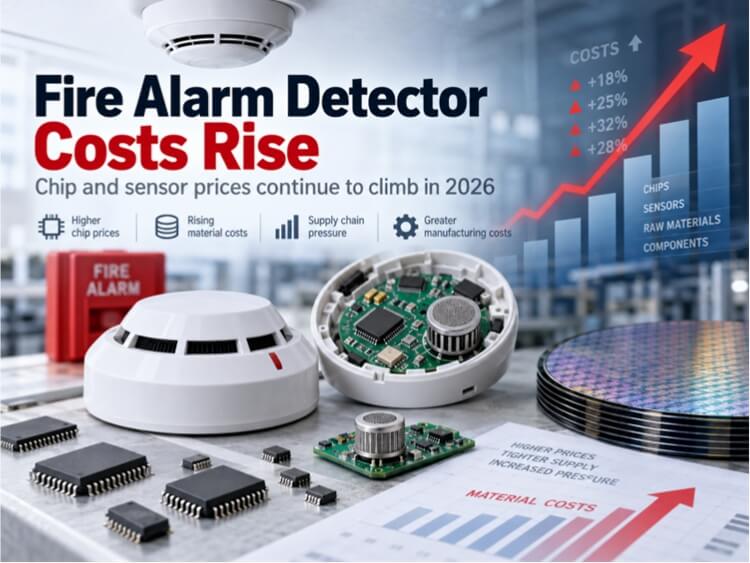
Why Are Fire Detector Prices Going Up This Year? At the heart of this price jump sits three core input categories: sensors, MCU chips, and raw plastic and metal materials.
CIS photoelectric sensors, the key part inside most standard smoke detectors, have gone up around 20%. MCU microchips, the small circuit brains that process readings and trigger alarms, have seen price increases ranging from 15% to 50%. Direct raw materials, including ABS plastic casings, metal contacts and circuit board substrates, have surged more than 80% in some batches.
Supply chain pressure makes every part of production harder to manage. Chip factories allocate limited wafer output; raw material suppliers adjust minimum order sizes; shipping and factory labour costs do not fall back to pre-pandemic levels. All these small increases stack up, until the final finished detector carries a noticeably higher price tag.
Think about a typical combination smoke and CO detector. It needs one gas sensor, one smoke sensor, a main MCU chip, LCD screen hardware, plastic housing, mounting hardware and testing components. When every single one of those pieces becomes more expensive, the finished unit cannot stay at its old price forever. Many smaller manufacturers cannot absorb these extra costs. They either raise prices sharply, cut corners on component quality, or pause accepting new bulk orders.
Have you spoken with other fire safety distributors lately? Many tell the same story. They lock in a project budget with their own clients, only to receive a surprise price increase from their detector supplier halfway through the order cycle. This puts them in a terrible spot: absorb the loss themselves, renegotiate with their customer, or delay the whole installation job. None of those options feel good.
Not All Fire Alarm Suppliers Handle Cost Hikes The Same Way Here is a key point many buyers miss. Price increases do not hit every factory equally.
Sumring, a Shenzhen fire alarm manufacturer founded back in 2014, has more than 15 years of experience building fire safety hardware. We hold ISO9001 quality management certification, and our products carry CE and ROHS approvals for global export markets. Our product portfolio includes smoke detectors, heat detectors, combined smoke & CO units, gas leak detectors, manual call point covers, fire bells and strobe sounders.
Long term factory partnerships with chip and sensor vendors give us more stability than smaller workshops. We maintain pre-booked component allocations, so we are not forced to buy parts on the volatile spot market at inflated rates. That does not mean we avoid cost pressure entirely. We still face higher sensor and plastic prices just like every other factory. But we can spread these increases out more gently, and give our clients longer advance notice before any price changes take effect.
Many trading companies do not have this buffer. They buy finished detectors from third-party factories. When component prices spike, their suppliers pass the full increase straight to them. They have no control over component sourcing, inventory or production scheduling. They cannot lock in raw material pricing months ahead. This leaves their buyers exposed to sudden, unplanned cost changes.
Do you want to risk your large property retrofit order on a supplier that cannot guarantee stable pricing or consistent component quality? A cheaper upfront quote can turn into a costly mistake if the factory switches to lower-grade sensors to save money. Poor quality detectors fail early, miss dangerous smoke or gas events, and create liability headaches for you and your customers.
What This Price Trend Means For Your Fire Safety Sourcing Plans So detector costs are rising. What practical moves can you make right now?
First, plan orders further in advance. If you usually place bulk orders 30 days before you need stock, try shifting to 60 or 90 day lead times. Factories with advance demand forecasts can reserve chips and raw materials at current pricing, before further market shifts hit. This simple step can save you a meaningful percentage on large container shipments.
Second, avoid last-minute rush orders. Emergency small batch production always comes with premium component pricing. Rush production also raises the chance of minor quality oversights, as factory teams work under tight deadlines.
Third, talk openly with your supplier about your full year order forecast. At Sumring, when overseas buyers share their projected annual volumes, we can explore reserved stock agreements and fixed-price contracts for qualified bulk orders. This gives both sides clarity for months ahead.
Fourth, keep an eye on alternative product models. Some detector designs use slightly different sensor configurations that carry less component price inflation. Our sales and technical team can walk you through comparable models that meet your local safety standards without unnecessary cost.
It is also smart to review your product specifications. Some buyers add optional features that push up the bill of materials. If your end customers do not require a specific function, simplifying the design can soften the impact of rising component costs, without cutting safety performance.
Should You Switch To Cheaper Detectors To Beat The Price Rise? This is a tempting idea, but it carries real risk.
Fire and gas detectors are life safety devices. These products must perform reliably when smoke, carbon monoxide or methane gas builds up. Cutting corners on sensor quality, circuit board testing or plastic housing durability is never worth it. A cheap detector that fails to trigger an alarm can lead to property damage, injury and legal responsibility for your business.
We have worked with many distributors who learned this lesson the hard way. They switched to ultra-low cost detectors to save money, only to face high return rates, false alarm issues, or failed third-party compliance testing. Replacing thousands of faulty units costs far more than the small savings they gained on the initial order.
You can balance budget control and safety. The goal is not to chase the rock-bottom price. It is to find a stable manufacturer that uses certified components, maintains consistent testing routines, and gives you transparent pricing with clear timelines.
Sumring’s Approach Amid Rising Fire Detector Costs We do not pretend the market challenges do not exist. We openly share component cost data with our buyers, so you understand exactly what drives pricing adjustments.
Our in-house R&D team continuously reviews our detector designs. We look for ways to optimise power circuits, housing moulds and sensor layouts, to reduce waste without lowering safety performance. Our production facility runs strict testing for every finished detector unit. Every smoke, heat and gas alarm gets function checks before packing.
We support OEM and ODM services for global clients. You can add your own brand logo to detector housings, customise product packaging, or work with our engineers to develop customised fire alarm hardware. Whether you need small sample batches for market testing, or full container loads for property chain projects, we can accommodate your order scale.
Our product range covers most common fire safety hardware. We supply photoelectric smoke detectors, wireless smart smoke alarms, heat detectors, combined smoke and CO detectors, plug-in multi-gas monitors, manual call point protective covers and supporting fire alarm accessories. All our products comply with relevant CE and ROHS standards for import into Europe, Southeast Asia and other global markets.
What Does The Future Hold For Fire Detector Prices? No one can perfectly predict global component markets. Chip and sensor pricing may stay elevated for the rest of 2026, and parts of 2027. Raw material markets remain sensitive to energy costs and global manufacturing output.
That said, fire safety demand stays strong. Rental property rules, commercial building codes and home safety awareness keep pushing demand for reliable smoke and gas detectors higher. More properties require multiple safety alarms per unit, which keeps steady order volume flowing to qualified manufacturers.
The buyers who prepare ahead will be in the strongest position. Locking in pricing where possible, securing reliable supplier relationships, and testing product samples early all help you avoid panic buying when stock gets tight.
Are you currently reviewing your fire safety procurement plan for the rest of this year? Now is a great time to check your stock levels and discuss forecasts with your manufacturer partner.
Ready To Talk About Your Fire Detector Sourcing Needs? Sumring’s sales and technical team is here to help you navigate this shifting market. We can provide formal quotations, product datasheets, certification copies and sample arrangements for smoke detectors, gas alarms and fire alarm accessories.
FAQ
Q1: What is causing the 20% cost increase for fire alarm detectors in 2026?
A1: Higher pricing for CIS smoke sensors, MCU microchips and raw materials including ABS plastic and circuit board substrates drive the main price rise. Supply chain constraints also extend lead times and add production overhead for fire safety manufacturers.
Q2: Does Sumring offer fixed price contracts for bulk fire detector orders?
A2: Yes, we can discuss fixed price arrangements for qualified large volume buyers who share annual order forecasts. Terms depend on product type, total quantity and delivery schedule. Contact our sales team to check eligibility.
Q3: Are cheaper fire detectors safe to buy to offset rising costs?
A3: Not always. Low-cost detectors may use uncertified sensors or skip full functional testing. These life safety devices need reliable performance; poor quality units create safety risks and liability for distributors.
Q4: What fire alarm products does Sumring manufacture for overseas buyers?
A4: Sumring makes smoke detectors, heat detectors, combined smoke & CO alarms, gas leak detectors, manual call point covers, fire bells and strobe sirens. We provide OEM and ODM services with CE and ROHS certified products.
Q5: How can I reduce the impact of fire detector price hikes on my project budget?
A5: Place orders further in advance, share your annual demand forecast with your supplier, avoid urgent rush orders, and review product specs to remove non-essential features that add material cost.
Send your requirements via email to info@sumring.com, reach us on WhatsApp, or visit our official website SUMRING. We will review your project details and work to find a stable, cost-effective fire safety solution that fits your market.
Latest posts
-
 2026 Mid-Autumn Festival: A Time For Family, But Fire Safety Never Takes A Break
Do you like ?0
Read more -
 Smoke Detector Housings & Plastic Cover Parts: OEM Ready Fire Alarm Enclosures
Do you like ?0
Read more -
 Sumring September Sourcing Promotion: Grab Free Samples & Cash Coupons for Fire
Do you like ?0
Read more -
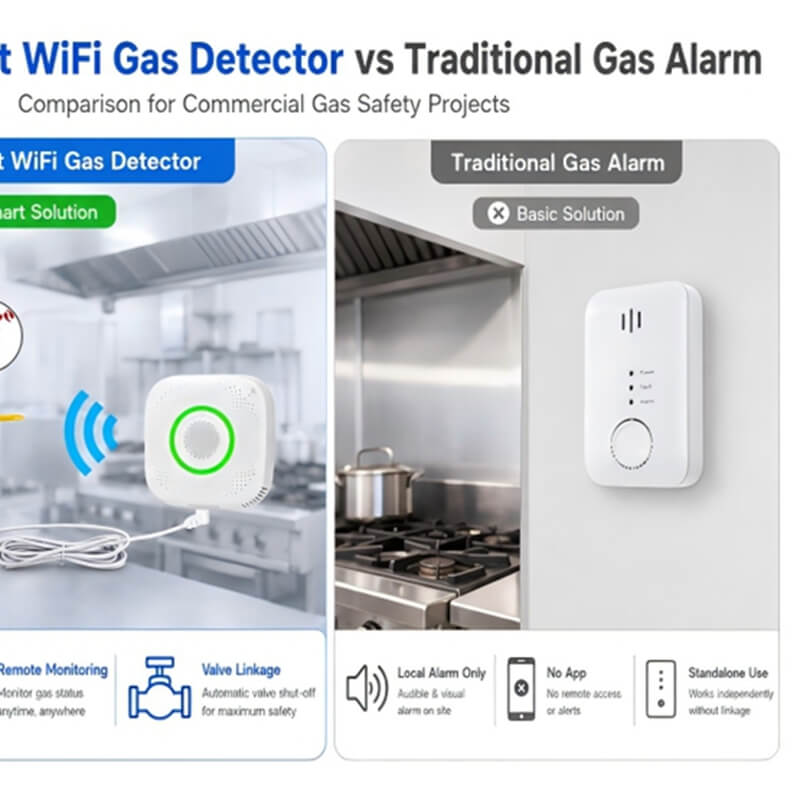 SR‑915 Smart WiFi Gas Detector vs Traditional Gas Alarm
Do you like ?0
Read more -
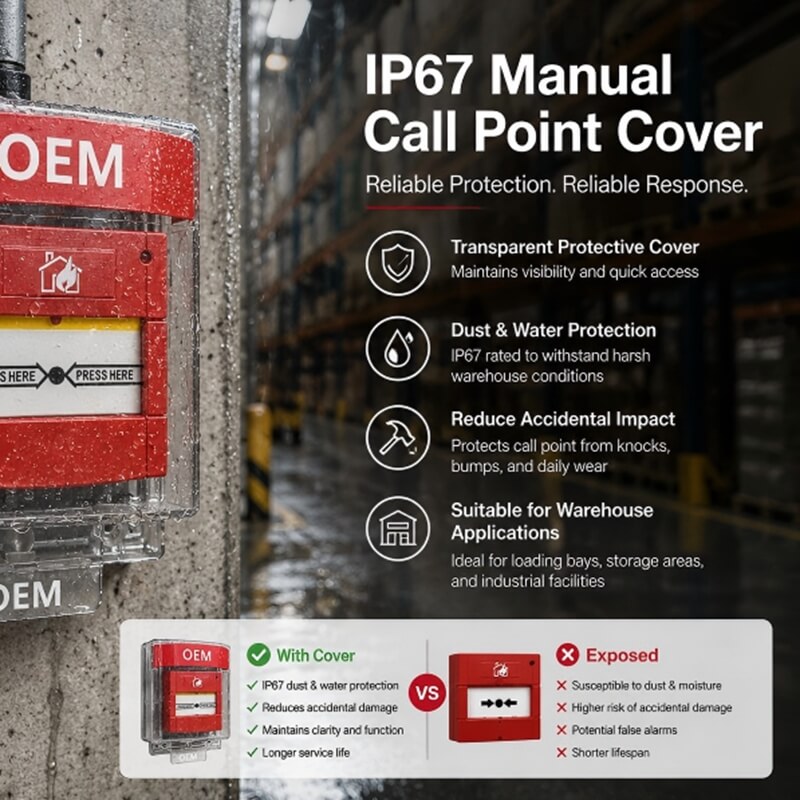 Why Should You Fit a Protective Cover on Your Manual Call Point?
Do you like ?0
Read more -
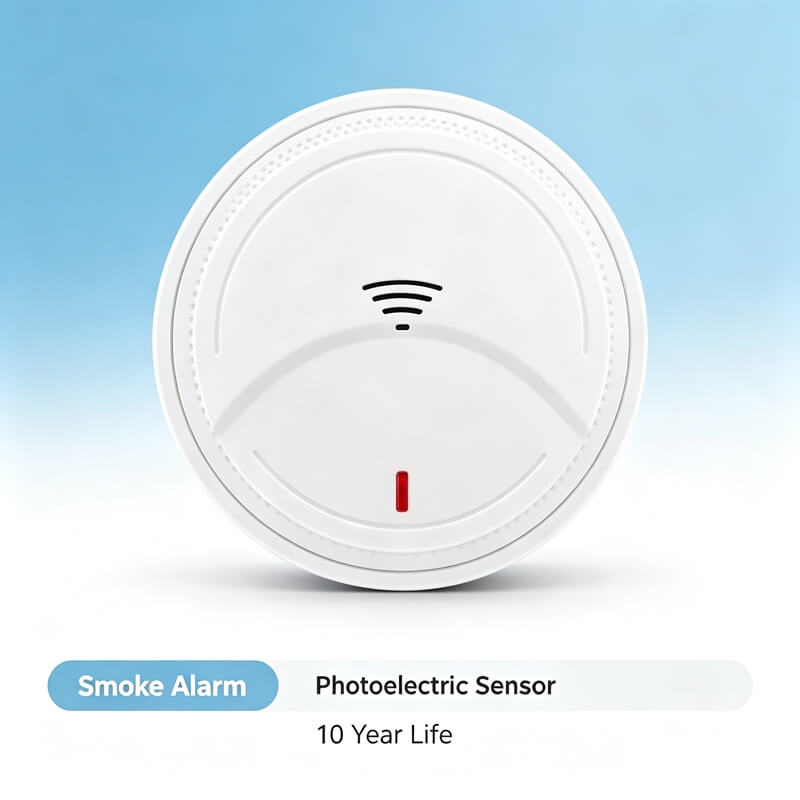 Why Install Standalone Smoke Detectors? Simple Truths Every Buyer Should Know
Do you like ?0
Read more
Search
Hot Product